

The Best English Words for 锻炼身体
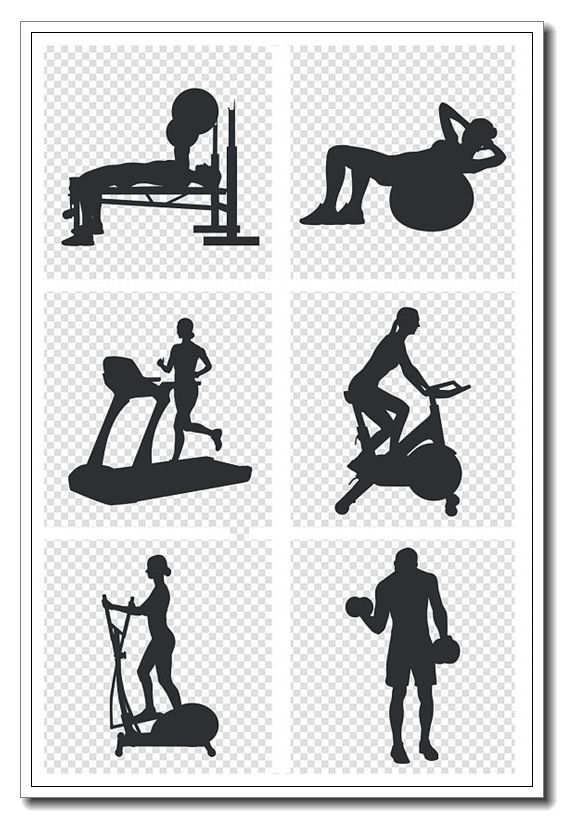
If you’re lookingfor ways to talk about “锻炼身体” (duànliàn shēntǐ), meaning “to exercise” or “to work out” in Chinese, in English, this article will give you the best vocabulary to use. Whether you’re discussing your own fitness regime, planning a workout with friends, or readingabout health and wellness, these words and phrases will help you communicate clearly and effectively.
Common Verbs for Exercise
Here are some of the most frequently used verbs to describe the act of exercising:
- Exercise: This is themost general and versatile term. “I exercise five times a week.”
- Work out: A slightly more informal way of saying “exercise.” “I work out at the gym.”
- Train: Often used for more structured exercise, especially in sports or specific fitness goals.”She’s training for a marathon.”
- Get in shape: Focuses on the outcome of exercising. “I’m trying to get in shape for summer.”
- Stay fit: Emphasizes maintaining physical fitness. “Regular exercise helps you stay fit.”
- Workout: (Noun as well) Can be used as a verb or a noun. “I’m going to do my workout.” or “My workout includes running and weightlifting.”
- Get active: A general term signifying engaging in physical activity. “Doctors encourage people to get active every day.”
Activities to Describe Specific Exercises
When you want to be more specific about the type of exercise, use these words:
- Run: A core activity. “I run everymorning.”
- Jog: A slower form of running. “I prefer to jog in the park.”
- Walk: A simple and effective form of exercise. “I walk my dog every day.”
- Swim: A great full-body workout.”I swim laps at the pool.”
- Cycle/Bike: Riding a bicycle. “I cycle to work.”
- Lift weights: To use dumbbells or weights. “I lift weights at the gym.”
- Do yoga: Practicing yoga. “She does yoga to improve her flexibility.”
- Play sports: Engaging in athletic games. “I play basketball on the weekends.”
- Dance: A fun way to exercise. “We dance at the club every Friday.”
- Stretch: Importantfor flexibility and injury prevention. “Before exercising, it’s important to stretch.”
- Hike: Walking in nature. “We went hiking in the mountains.”
Related Vocabulary
Here are some other important words and phrases related to exercise:
- Fitness: The state of being physically healthy. “Good fitness is important for overall health.”
- Workout routine: The specific activities and their order. “I have a strict workout routine.”
- Gym: A place toexercise. “I go to the gym three times a week.”
- Trainer/Coach: Someone who guides and helps with exercise. “My trainer gives me advice on my form.”
- Warm-up: Preparing your body for exercise. “Always warm up before yourworkout.”
- Cool-down: Bringing your body back to its resting state after exercise. “Always cool down after your workout.”
- Muscles: The body parts that help movement. “He built strong muscles.”
- Endurance: The abilityto keep going. “Running builds endurance.”
- Cardio: Exercises that increase heart rate. “Cardio exercises are important for heart health.”
- Strength training: Exercises that build strength. “Strength training builds muscles.”
- Calories: Units of energy. “Burning calories is one of the goals of exercise.”
- Healthy diet: Eating nutritious foods. “A healthy diet combined with exercise is best.”
Putting it All Together
Here are a few examples to illustrate how to use these words:
- “I work out at the gym three times a week to stay fit.”
- “She’s training hard to run a marathon and improve her fitness.”
- “Beforemy workout, I always warm up. Afterwards, I cool down and stretch.”
- “He lifts weights to build his muscles and improve his strength.”
By using these words, you can confidently discuss the topic of 锻炼身体 (duànliàn shēntǐ) in English. Happy exercising!