

Unveiling the Truth: How Daily Workouts Influence Testosterone Levels and Sexual Function
For decades, fitness enthusiasts and medical researchers alike have explored the intricate relationship between physical activity, hormone regulation, and sexual health. One of the most compelling areas of study centers on how daily workouts influence testosterone levels and, by extension, sexual function in men. While the popular belief that exercise boosts testosterone is widely accepted, the reality is more nuanced—depending on the type, intensity, and duration of exercise, the effects can vary significantly.
Testosterone, the primary male sex hormone, plays a crucial role not only in muscle growth and fat distribution but also in libido, erectile function, and overall energy levels. Regular physical activity has been shown to support healthy testosterone production, particularly resistance training and high-intensity interval training (HIIT). Studies indicate that lifting weights and engaging in short bursts of intense effort stimulate acute spikes in testosterone, which over time may contribute to improved baseline levels.
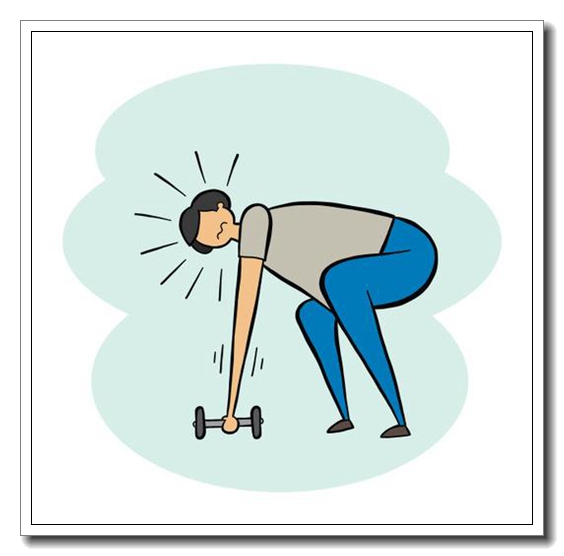
However, the benefits are not universal. Excessive endurance training—such as long-distance running or cycling for several hours daily—can lead to chronically elevated cortisol, the stress hormone, which may suppress testosterone production. This phenomenon, often seen in overtrained athletes, can result in decreased sexual desire, fatigue, and even erectile dysfunction. Thus, balance is key: while moderate daily workouts enhance hormonal health, overexertion may counteract these advantages.
Beyond hormone levels, exercise improves sexual function through enhanced blood flow, cardiovascular health, and psychological well-being. Increased circulation supports stronger erections, while the confidence and reduced anxiety associated with regular fitness routines can positively impact intimacy. Moreover, maintaining a healthy weight through exercise reduces the risk of conditions like diabetes and hypertension, which are known contributors to sexual dysfunction.
In conclusion, daily workouts—when appropriately structured—can play a powerful role in optimizing testosterone levels and supporting robust sexual function. The key lies in adopting a balanced regimen that includes strength training, moderate cardio, and adequate recovery. As with any health-related endeavor, individual responses vary, and consulting a healthcare provider is recommended to tailor an effective and sustainable fitness plan.