

锻炼 Explained: The English Equivalent
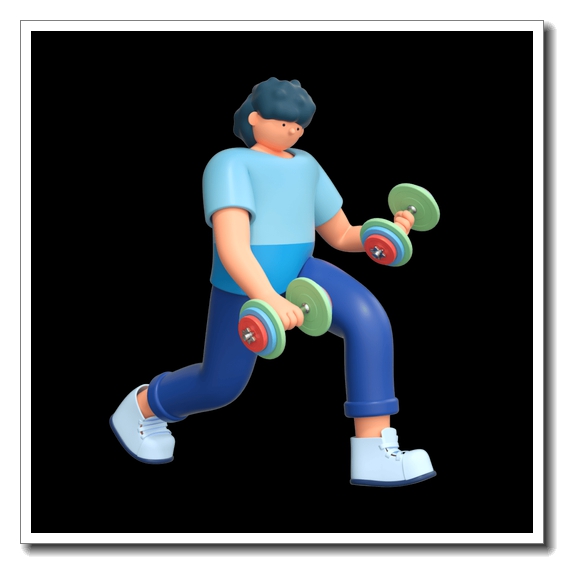
The Chinese word “锻炼” (duànliàn) is a common term, but what exactly does it mean inEnglish? It encompasses a range of activities and concepts, going beyond a single, perfect translation. Here’s a breakdown to help you understand the nuances:
The most direct and commonly used English equivalent of “锻炼” is “to exercise.” This covers the fundamental aspect of physical activityundertaken to improve health and fitness.
However, depending on the context, “锻炼” can also mean other things. Here are some alternative translations and explanations:
-
To Exercise: This is the most versatile and often the most appropriate translation. It covers a broad spectrum of activities, from jogging and swimming to lifting weights and practicing yoga.
- Example: “我每天锻炼一个小时。” (Wǒ měitiān duànliàn yī gè xiǎoshí.) – “I exercise for one hour every day.”
-
To Work Out: Often used in the context of gym workouts or structured physical training.
- Example: “今天我想去健身房锻炼。” (Jīntiān wǒ xiǎng qù jiànshēnfáng duànliàn.) – “I want to go to the gym and work out today.”
-
To Train: This is particularly applicable when referring to developing a specific skill or preparing for a competition. It implies a more focused and structured approach.
- Example: “运动员正在刻苦锻炼。” (Yùndòngyuán zhèngzài kèkǔ duànliàn.) – “The athletes are training hard.”
-
To Practice: Can be used when the “锻炼” involves practicing a skill, like a musical instrument or sports technique.
- Example: “她每天都锻炼钢琴。” (Tā měitiān dōu duànliàn gāngqín.) – “She practices the piano every day.”
-
To Temper/To Forge (Figuratively):”锻炼” can also be used metaphorically to describe the process of developing character or resilience through challenging experiences. This is a less common usage in everyday conversation.
- Example: “生活锻炼了我的意志。” (Shēnghuó duànliàn le wǒ de yìzhì.) – “Life has tempered my will.” (More like “Life has toughened my will” in this context.)
In summary, while “to exercise” is the most common translation, understanding the context is crucial to selecting the most accurate andnatural-sounding English word or phrase. Consider the specific activity, the level of intensity, and the overall purpose when translating “锻炼”.