

A Detailed Guide to English Vocabulary for Gym, Running, Yoga, and More
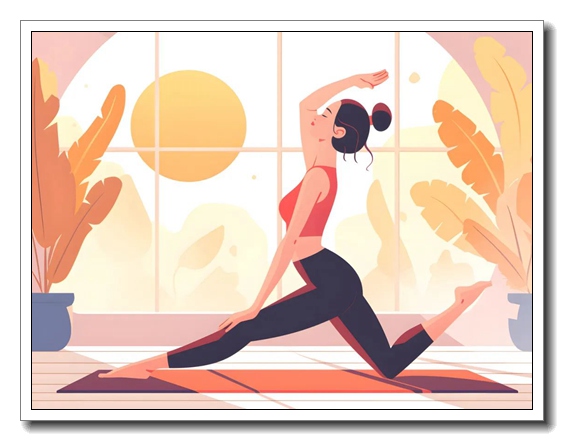
Whether you’re stepping into the gym for the first time, lacing up your running shoes for a morning jog, or unrolling your mat for a yoga session, knowing the right English vocabulary can significantly enhance your experience. This detailed guide introduces essential terminology across various fitness activities—gym workouts, running, yoga, and more—helping you communicate effectively, follow instructions, and make the most of your fitness journey.
Gym Vocabulary
In a gym setting, understanding equipment and exercise names is crucial. Common machines include the
treadmill
,
elliptical trainer
, and
stationary bike
. Free weights such as
dumbbells
,
kettlebells
, and
barbells
are used for strength training. Exercises like
squats
,
bench press
,
deadlifts
, and
lat pulldowns
target specific muscle groups. Fitness professionals often use terms like
reps
(repetitions),
sets
,
rest intervals
, and
progressive overload
to structure workouts effectively.
Running Terminology
Runners rely on specific jargon to describe their routines and performance. Key terms include
pace
(speed per mile or kilometer),
interval training
(alternating fast and slow running), and
long run
(a sustained, longer-distance session).
VO₂ max
refers to the maximum amount of oxygen your body can utilize during intense exercise, often used as a measure of cardiovascular fitness. Other common phrases include
warm-up
,
cool-down
,
stride
, and
cadence
(steps per minute).
Yoga Lexicon
Yoga blends physical postures, breathing techniques, and mindfulness. Familiar poses include
Downward Dog (Adho Mukha Svanasana)
,
Warrior I and II (Virabhadrasana)
,
Tree Pose (Vrksasana)
, and
Child’s Pose (Balasana)
. Instructors may guide students through
sun salutations
(a flowing sequence) or emphasize
pranayama
(breath control). Classes might be labeled as
Vinyasa
(flow-based),
Hatha
(gentler, foundational), or
Ashtanga
(structured and rigorous), each with its own pace and focus.
Additional Fitness Activities
Beyond these core disciplines, other popular activities come with their own vocabularies. For example, in
Pilates
, terms like
the Hundred
,
roll-up
, and
core engagement
are common. In
cross-training
, participants mix different exercises to improve overall fitness, often incorporating
HIIT (High-Intensity Interval Training)
, which alternates short bursts of intense effort with recovery periods. Group classes such as
Zumba
or
spin
also feature unique terminology related to choreography and resistance settings.
Tips for Learning Fitness Vocabulary
To master this specialized language, consider labeling equipment at the gym, watching instructional videos with subtitles, or keeping a fitness journal using new terms. Listening to instructors and asking questions during classes can also reinforce learning. Over time, this vocabulary will become second nature, boosting both confidence and competence in any fitness environment.
By familiarizing yourself with English terms related to gym workouts, running, yoga, and other physical activities, you not only improve comprehension but also empower yourself to set goals, track progress, and connect with the global fitness community. Whether you’re a beginner or an experienced athlete, language is a powerful tool on the path to better health.