

Is duànliàn shēntǐ or duànliànshēntǐ the correct term for exercising the body?
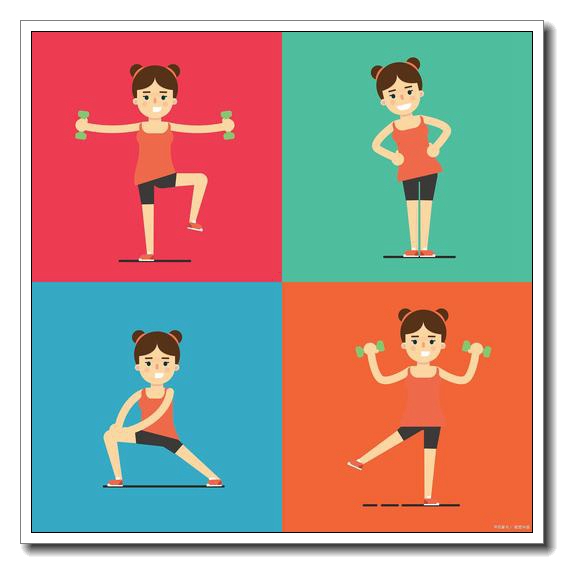
The question of whether to use “duànliàn shēntǐ” or “duànliànshēntǐ” when referring to exercising the body in Chinese hinges on the nuanced understanding of Chinese grammar and word formation. Both options are grammatically plausible in different contexts, and the best choice often depends on the specific situation.
Analysis:
The term “duànliàn” (锻炼) literally means “to exercise” or “to train,” and “shēntǐ” (身体) means “body.” The question concerns whether the two parts should be written as two separate words or as a single compound word.
-
duànliàn shēntǐ
: This is the more common and generally accepted form. The two words are treated as separate units, reflecting the grammatical structure of the Chinese language. It implies a clear distinction between the action of exercising and the object of exercising (the body). This is the recommended form in most cases. -
duànliànshēntǐ
: While this form exists, it is typically not the preferable choice. It suggests a more compressed and integrated meaning, implying a single action of exercising the body. This form might beused in more informal contexts, or perhaps in some specific technical fields, but it shouldn’t be assumed as the standard.
Recommendation:
For general usage and communication in standard written and spoken Chinese,
duànliàn shēntǐ
is the preferred and more accurate way to express “exercising the body.”
In summary, while “duànliànshēntǐ” is not incorrect, “duànliàn shēntǐ” is the more common, standard, and clear way toexpress the concept, reflecting the grammatical nature of Chinese compound words.