

Visual Guide:锻炼 vs. 锻练 -Meaning and Usage Differences
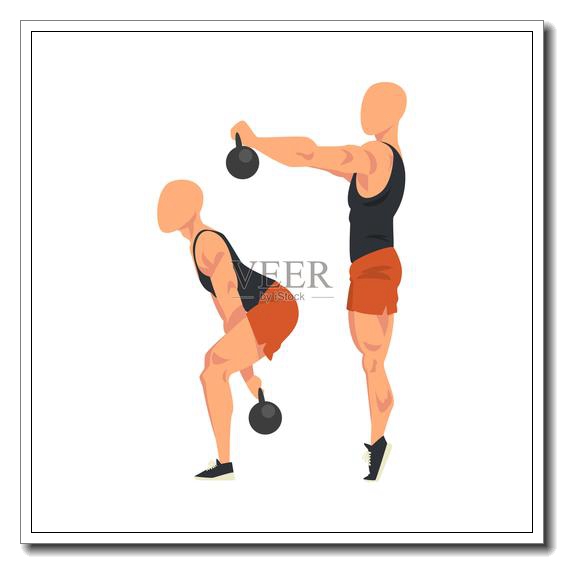
Understanding the subtle difference between 锻炼 (duànliàn) and 锻练 (duànliàn) can be tricky for learners of Mandarin Chinese. While both characters are pronounced the same, their meanings and usage differ slightly.
锻炼 (duànliàn) – Emphasizing practice and development
This is the more common and widely used term. It focuses on the process of developing a skill, strengthening a quality, or improving oneself through practice and experience. Think of it as cultivating somethingover time.
Example:
我每天都锻炼身体。(Wǒ měi tiān dōu duànliàn shēntǐ.) – I exercise my body every day.
他通过多年的锻炼,成为了一名优秀的工程师。(Tā tōngguò duō nián de duànliàn, chéngwéi le yī míng yōuxiù de gōngchéngshī.) -Through years of practice, he became a great engineer.
锻练 (duànliàn) – Emphasizing training and forging
This term often carries a stronger connotation of training, particularly in the context of physical strength or mental fortitude.It suggests a more deliberate and targeted approach to developing something.
Example:
战士们正在进行艰苦的锻练。(Zhàn shì men zhèng zài jìnxíng jiān kǔ de duànliàn.) – The soldiers are undergoing rigorous training.
这把刀经过多次的锻练,变得非常锋利。(Zhè bǎ dāo jīngguò duō cì de duànliàn, biàn de fēicháng fēnglì.) – This knife, after multiple trainings, became extremely sharp.
In summary, while both words relate to practice and development, 锻炼 is more general and encompasses various practices, whereas 锻练 often implies a more focused and intensive form of training.