

How to Say 锻炼 (Exercise) in English and Build Your Vocabulary
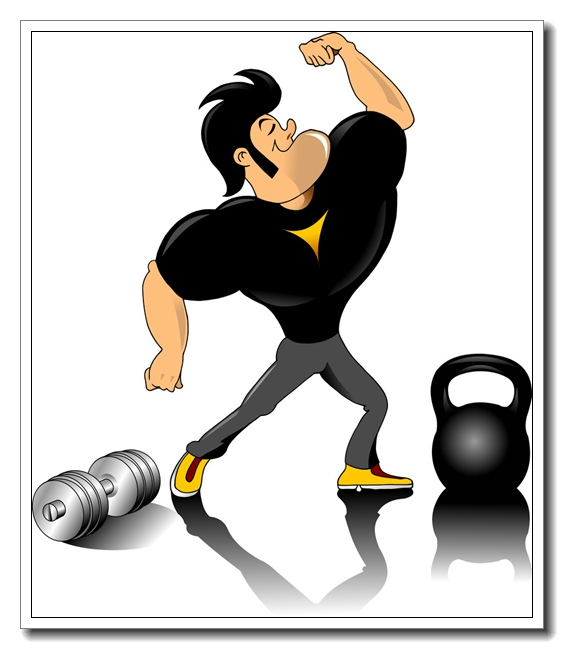
Learning how to say common words in different languages is a greatway to expand your vocabulary and understand the nuances of language. This article focuses on the Chinese word
锻炼
(duànliàn) and its various English translations, along with tips for building your vocabulary.
Common English Translations for
锻炼
The English translation of
锻炼
isn’t always a direct one-to-one correspondence. The best translation depends on the context. Here are some of the most common and appropriate options:
- Exercise: This is themost general and widely used translation. It refers to physical activity done to maintain or improve health and fitness.
- Work out: Similar to “exercise,” but often implies a more structured or intense session at a gym or with a trainer.
- Train: This is often used when the exercise is part of a specific activity, such as a sport or a skill.
- Practice: When the focus is on perfecting a skill or discipline. This can apply to physical activities but also to other skills.
- Physical activity: A more formal and descriptive term for any kind of movement that enhances health.
Example: I
锻炼 (exercise) every morning. – I exercise every morning.
Example: She goes to the gym to
锻炼 (work out). – She goes tothe gym to work out.
Example: The athletes
锻炼 (train) hard for the competition. – The athletes train hard for the competition.
Example: The pianist
锻炼 (practices) every day. – The pianist practices every day.
Example: Regular
锻炼 (physical activity) is important for overall well-being. – Regular physical activity is important for overall well-being.
Building Your Vocabulary AroundExercise
Once you understand the basic translations, you can expand your vocabulary related to exercise by learning related words and phrases. Here are some examples:
- Gym: The place where people exercise.
- Fitness: The state of being healthy and strong.
- Cardio: Exercises that get your heart rate up (e.g., running, swimming).
- Strength training: Exercises that build muscle.
- Stretching: Exercises that help increase flexibility.
- Workout routine: Aschedule of exercises.
- To warm up: To prepare your body for exercise.
- To cool down: To help your body recover after exercise.
Example: I go to the gym forcardio and strength training. I always make sure to warm up before and cool down after my workout routine.
Tips for Learning New Vocabulary
Here are some tips to help you effectively
By understanding the different ways to express
锻炼
in English and by practicing related vocabulary, you can significantly improve your English language skills.
Key improvements and explanations:Clear Structure with HTML Tags: The codeis well-structured using proper HTML tags (e.g., `
`, `
`, `
-
`, “, `
`). This makes the content readable and easy to understand.Semantic HTML: Uses semantic HTML elements like `
` for headings,`
` for paragraphs, and `
`, `
-
` for lists, improving accessibility and SEO.CSS Styling (Inline): Basic CSS styling is included inline (within the `
` for headings,`
` for paragraphs, and `
-
`, `
- ` for lists, improving accessibility and SEO.CSS Styling (Inline): Basic CSS styling is included inline (within the `