

Comprehensive Guide to Common English Vocabulary Used in Physical Exercise and Workouts
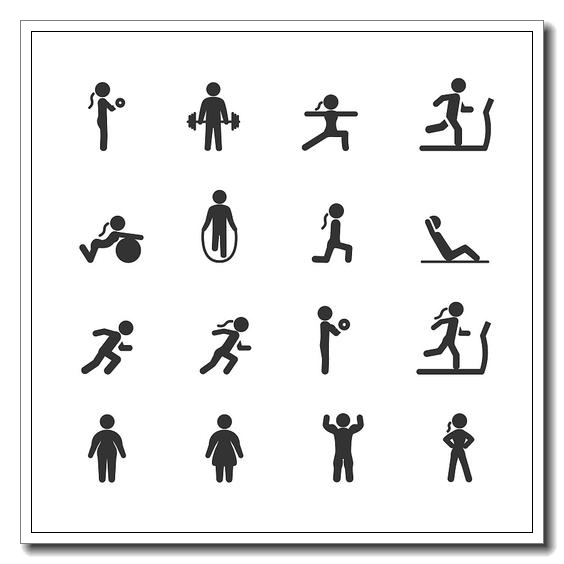
Engaging in physical exercise and workouts often involves more than just movement—it requires understanding the language that accompanies fitness routines. Whether you’re stepping into a gym for the first time, following an online workout video, or discussing your regimen with a trainer, familiarity with common English vocabulary related to exercise is essential. This comprehensive guide introduces key terms used in fitness contexts, helping you navigate instructions, communicate effectively, and maximize your workout experience.
Warm-Up and Cool-Down
Every effective workout begins with a warm-up and ends with a cool-down. A
warm-up
typically includes light cardiovascular activities like jogging in place, jumping jacks, or dynamic stretches designed to increase heart rate and prepare muscles for activity. Common verbs associated with this phase include
stretch
,
jog
, and
rotate
. Conversely, a
cool-down
involves slowing down the intensity and performing
static stretches
to improve flexibility and reduce muscle soreness. Phrases like “Hold the stretch for 30 seconds” or “Breathe deeply while cooling down” are frequently heard during this period.
Cardiovascular Exercise (Cardio)
Cardio refers to any activity that elevates the heart rate over a sustained period. Popular cardio exercises include
running
,
cycling
,
swimming
, and using machines like the
treadmill
,
elliptical
, or
stationary bike
. Instructors might say, “Increase your pace for the next two minutes,” or “Maintain a steady rhythm.” Key terms include
endurance
,
aerobic
,
intervals
(as in interval training), and
recovery
(the lower-intensity period between bursts of effort).
Strength Training
Strength training focuses on building muscle through resistance. Common equipment includes
dumbbells
,
barbells
,
kettlebells
, and
resistance bands
. Exercises are often described by their movement patterns:
squat
,
lunge
,
press
(e.g., bench press),
pull
(e.g., pull-up), and
curl
(e.g., bicep curl). Trainers may instruct, “Perform three sets of ten reps,” where
set
refers to a group of repetitions (
reps
), and
form
emphasizes proper technique to prevent injury. Other important terms include
compound movements
(exercises engaging multiple joints, like deadlifts) and
isolation exercises
(targeting one muscle group, such as leg extensions).
Bodyweight Exercises
These require no equipment and use the body’s own weight for resistance. Examples include
push-ups
,
planks
,
burpees
, and
mountain climbers
. In a group class, you might hear, “Drop into a plank position,” or “Hold a wall sit for 45 seconds.” Terms like
core
(referring to abdominal and lower back muscles),
stability
, and
balance
are often emphasized during these movements.
Fitness Class Terminology
Group fitness classes—such as
Pilates
,
yoga
,
Zumba
, or
spin
—have specialized vocabularies. In yoga, poses are called
asanas
, and instructors may cue
inhale
and
exhale
to synchronize breath with movement. Zumba blends dance and aerobic elements, so words like
step-touch
,
grapevine
, and
basic step
are common. Spin classes involve commands like “Shift to a higher resistance,” “Sit down and recover,” or “Stand up and sprint.”
Mind-Body Connection and Motivation
Fitness isn’t just physical—mental focus plays a crucial role. Phrases like “Listen to your body,” “Push through the burn,” or “Mind-muscle connection” highlight the importance of awareness and intention. Trainers often use motivational language: “You’ve got this!” or “One more rep!” Understanding these expressions can boost confidence and help maintain effort during challenging moments.
By mastering this foundational fitness vocabulary, individuals can participate more confidently in workouts, follow instructions accurately, and communicate their goals clearly. Whether you’re a beginner or refining your routine, knowing the language of exercise empowers you to stay safe, motivated, and consistent on your health journey.