

Exercise Focus: Where to Start?
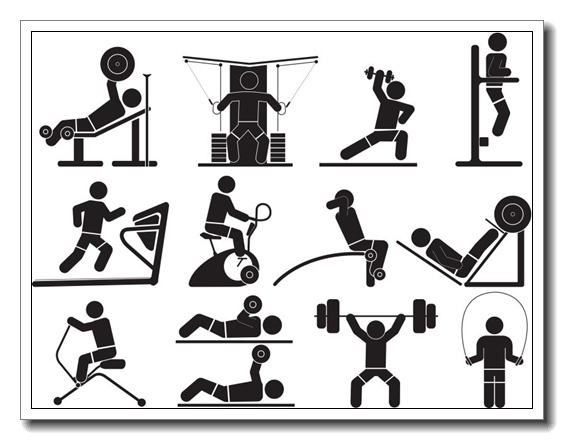
Embarking on a fitness journey can feel overwhelming. With so many options and conflicting advice, it’s easy to get lost. This article provides a practical guide on where to begin, ensuring you start safely and effectively.
1. Assess Your Current Fitness Level
Before launching into a new exercise regime, it’s crucial to understand your starting point. This will help you choose exercises that are appropriate and prevent injury. Consider these factors:
- Physical Condition: Do you haveany pre-existing health conditions (e.g., heart problems, joint pain)? Consult your doctor before starting any new exercise program, especially if you have concerns.
- Activity Level: How active are you currently? Are you sedentary, moderately active, or highly active? This will influence the intensity andduration of your initial workouts.
- Strength and Endurance: Can you comfortably walk for 30 minutes? Can you do a few push-ups or squats? Assess your current strength and endurance levels.
- Flexibility: How flexible are you? Perform some basic stretches togauge your range of motion.
2. Set Realistic Goals
Setting achievable goals is key to staying motivated. Start small and gradually increase the intensity and duration of your workouts. Examples of realistic goals include:
- Walking for 20 minutes, three times a week.
- Completing 10 minutes of bodyweight exercises daily.
- Increasing the number of push-ups you can do by one each week.
Remember to set SMART goals: Specific, Measurable, Achievable, Relevant, and Time-bound.
3. Choose Activities You Enjoy
The best exercise is the one you’ll stick with. Find activities that you genuinely enjoy.This will make working out feel less like a chore and more like a pleasant part of your day. Consider these options:
- Walking/Running: Great for cardiovascular health and can be done almost anywhere.
- Swimming: Low-impact, full-body workout.
- Cycling: Excellent for cardio and leg strength.
- Dancing: Fun and a great calorie burner.
- Strength Training: Builds muscle and boosts metabolism (bodyweight exercises, weight machines, free weights).
- Yoga/Pilates: Improves flexibility, strength, and balance.
4. Start Slowly and Gradually Increase Intensity
Avoid the temptation to overdo it at the beginning. This can lead to injury and burnout. Begin with short, low-intensity workouts and gradually increase the duration and intensity over time. A good rule of thumb is to increase your workout time or intensity by no more than 10% each week.
5. Prioritize Proper Form
Correct form is crucial to prevent injuries. Watch videos, read tutorials, or consider working with a fitness professional to learn propertechniques. Focus on quality over quantity, especially when starting strength training exercises.
6. Listen to Your Body
Pay attention to your body’s signals. If you experience pain, stop the exercise and rest. Don’t push yourself through pain. Adequate rest and recovery areessential for muscle repair and growth.
7. Stay Consistent and Make it a Habit
Consistency is key to seeing results. Aim for regular workouts, even if they’re short. Schedule your workouts like any other important appointment and stick to your schedule as much as possible. Overtime, exercise will become a habit.
8. Seek Professional Guidance
Consider consulting with a doctor, physical therapist, or certified personal trainer. They can help you create a personalized workout plan that’s tailored to your individual needs and goals. They can also provide guidance on proper formand technique.
By following these steps, you can confidently start your exercise journey and pave the way for a healthier and more active lifestyle. Remember to be patient with yourself and celebrate your successes along the way!