

What is the English for 锻炼身体?
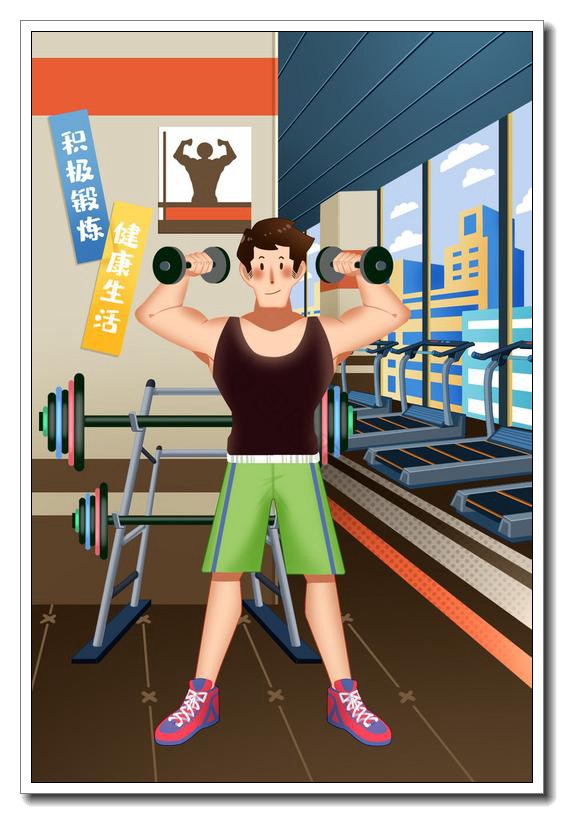
The Chinese phrase 锻炼身体 (Duànliàn shēntǐ) translates to several different English phrases, depending on the context and the specific nuance you want to convey. Here’s a breakdown:
-
“To exercise”
: This is the most common and versatile translation. It’s suitable for a general sense of physical activity and is widely understood.
Example:
I need to
exercise
more regularly.
-
“To work out”
: This implies a more structured and often more intense form of exercise, typically involving physical training.
Example:
She
works out
at the gym three times a week.
-
“To work out (one’s) body”
: This is a more direct translation, emphasizing the physical aspect. It’s sometimes used but can sound slightly less natural than “to exercise” or “to work out.”
Example:
He
works out his body
every morning.
-
“To get exercise”
: This emphasizes the act of receiving or experiencing exercise.
Example:
It’s important to
get exercise
tostay healthy.
-
“Physical activity”
: This is a broader term that encompasses any bodily movement that uses energy. While not a direct translation, it can be a suitable alternative.
Example:
Regular
physical activity
is crucial for good health.
-
Other, less common options
: Phrases like “to train,” “to keep fit,” or “to stay in shape” could also be used depending on the specific context, but are generally less direct.
In summary, while “to exercise” is the most common and arguably the best all-around translation, the best English equivalent of 锻炼身体 depends on the context and the desired emphasis.