

What is 锻炼 in English and How to Use It?
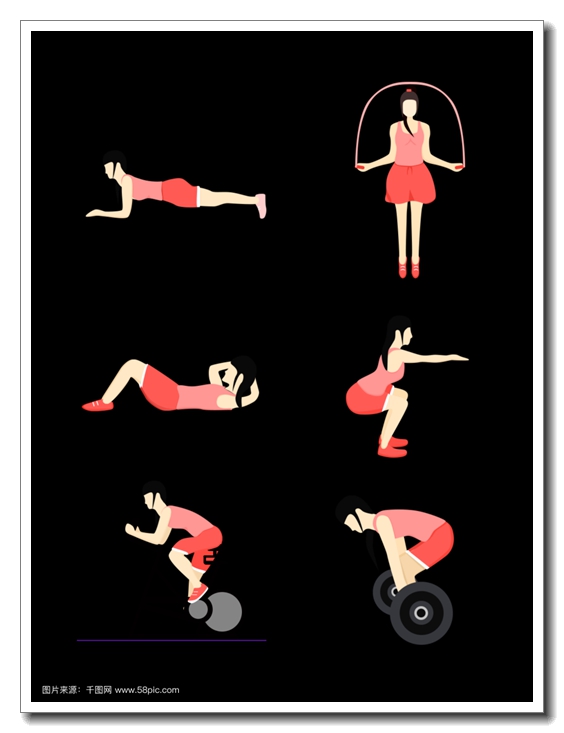
The Chinese word 锻炼 (duànliàn) is a versatile term with a core meaning of “to exercise” or “to train.” It encompasses not just physical activity, but also aspects of developing and honing skills, strengthening abilities, and sometimes even improving character.
English Translations of 锻炼
The most common and direct translations of 锻炼 include:
- To exercise
- To work out
- To train
- To practice
The best translation depends on the context.
How to Use 锻炼 in Context
Here are several examples demonstrating how to use 锻炼 in different scenarios:
1. Physical Exercise
When referring to physical activity,”to exercise” or “to work out” is often the most appropriate translation.
我每天早上都要锻炼。(Wǒ měi tiān zǎoshang dōu yào duànliàn.)
I exercise every morning.
他正在健身房锻炼。(Tā zhèngzài jiànshēnfáng duànliàn.)
He is working out at the gym.
2. Training (Skills or Abilities)
锻炼 can also mean to train or practice a skill, like playing a sport or playing an instrument.
她每天都锻炼钢琴。(Tā měi tiān dōu duànliàn gāngqín.)
She practices the piano every day.
他们正在锻炼足球技术。(Tāmen zhèngzài duànliàn zúqiú jìshù.)
They are training their soccer skills.
3. Strengthening (Character or Willpower – Less Common, More Figurative)
While less frequent, 锻炼 cansometimes be used to describe the process of developing character or strengthening willpower. This often takes on a more metaphorical meaning.
在困境中,他锻炼了坚强的意志。(Zài kùnjìng zhōng, tā duànliànle jiānqiáng de yìzhì.)
In adversity, he cultivated a strong will.
(More literally: In the difficult situation, he exercised his strong will.)
4. General Development
It canalso mean the general development. It can mean “to develop” or “to improve”.
锻炼你的口语能力。(Duànliàn nǐ de kǒuyǔ nénglì.)
Developyour spoken English ability.
Key Takeaways
- 锻炼 encompasses a broad meaning related to improving or developing something.
- The most appropriate English translation depends on the context.
- Pay attention to the specific activity or skill being mentionedto choose the best equivalent.