

Understanding 锻炼: The English Equivalent
If you’re learning Mandarin Chinese, you’ll likely encounter the word
锻炼 (duànliàn)
. This is a fundamental term, and understanding its nuances is crucial for both comprehension and effectivecommunication. This article will break down the meaning of 锻炼 and explore its various English equivalents.
What Does 锻炼 Mean?
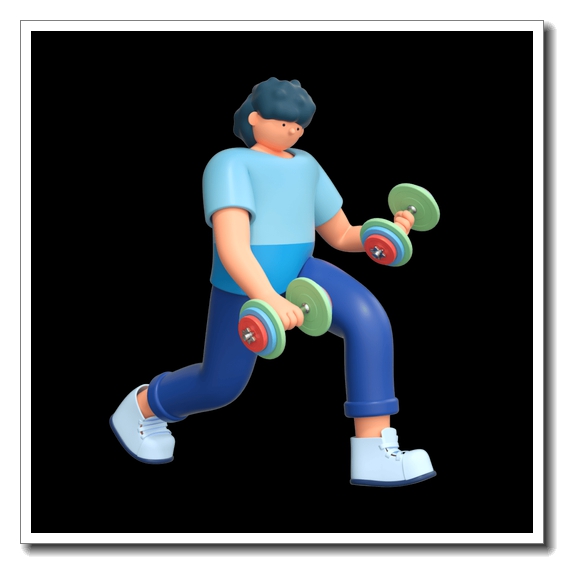
The core meaning of 锻炼 (duànliàn) is to train or exercise. However, the scope can be broader than just a physicalworkout. It can refer to physical, mental, or skill-based activities aimed at improving oneself.
Think of 锻炼 as an active process of strengthening or developing something. This “something” could be:
- Your body
- Your mind
- Your skills
- Your abilities
English Equivalents of 锻炼
The best English translation of 锻炼 often depends on the context. Here are some common and appropriate equivalents:
-
Exercise:
This is a very common and direct translation, especially when referring to physical activity. “I
exercise
every morning.” (我每天早上锻炼。) -
Work out:
Similar to exercise, but often implies a more structuredor intense physical activity. “I
work out
at the gym three times a week.” (我一个星期去健身房锻炼三次。) -
Train:
This is a good choice when 锻炼 refers to developing skills or abilities, orfor a specific type of preparation. “He
trains
for the marathon.” (他锻炼为马拉松比赛。) or “She
trains
her mind to focus.” (她锻炼她的头脑集中。) -
Practice:
When talking about skills, practice is a suitable translation. “They
practice
playing the piano every day.” (他们每天锻炼弹钢琴。) -
Develop:
This could be used when the focus is on self-improvement or personalgrowth. “He’s trying to
develop
his leadership skills.” (他正在锻炼他的领导能力。) -
Hone:
Similar to develop, but suggests sharpening or refining existing skills. “She
hones
her skills by practicing daily.” (她每天锻炼来磨练她的技能。) -
Strengthen:
Used when emphasizing the building of physical strength or other aspects. “This program will
strengthen
your core muscles.” (这个项目会锻炼你的核心肌肉。) -
Condition:
Often used in the context of physical fitness or in sports. “The athletes are
conditioning
for the competition.” (运动员们正在锻炼为比赛。)
Choosing the Right Translation
The key to choosing the correct English equivalent is to consider the context. Ask yourself:
- What is being improved or developed?
- What is the nature of the activity?
- Is the emphasis on the physical, mental, or skill-based aspect?
By considering these factors, you can accurately translate 锻炼 and effectively communicate your intended meaning.
Conclusion
Understanding the nuances of 锻炼 and its various English translations will significantly enhance your ability to communicate effectively in both Mandarin and English. Rememberto consider the context and choose the word that best reflects the intended meaning of “to train” or “to exercise” within the specific situation.