

The English Equivalent of 锻炼 and How to Say It
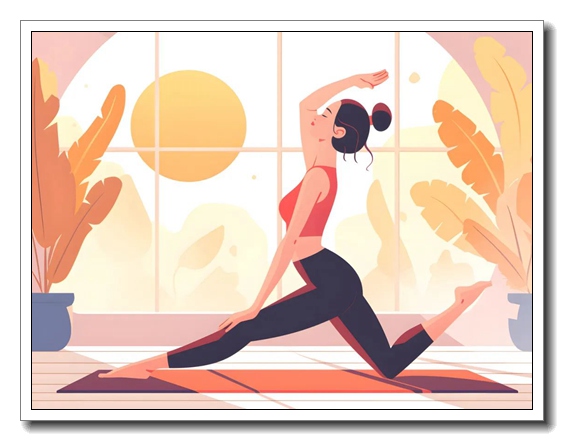
TheChinese word 锻炼 (duànliàn) is a common term, but what’s its best English translation? The answer isn’t always straightforward as its meaning encompasses a range of activities. Understanding these nuances will help you communicate effectively.
Common Translations of 锻炼
The English equivalent of 锻炼 depends heavily on the context of its use. Here are the most common and appropriate translations:
- Exercise: This is the most direct and frequently used translation. It’s suitable when referring to physical activity aimed at improving health and fitness.
- Work out: Similar to “exercise,” “work out” emphasizes the effort and practice involved in physical activity, often more specifically in a gym or trainingsetting.
- Train: This translation is specifically for activities focused on preparing for a specific sport, skill, or event.
- Practice: This translation is suitable when referring to repeated doing of an activity to improve a skill or learn it. It oftenapplies to skills other than just physical.
- Todevelop (skills or abilities): In some contexts, 锻炼 can refer to developing or honing skills, not just physical exercise.
- To temper(character, resolve): Sometimes 锻炼 relates to challenge or hardship that strengthens character.
Example:
I need to exercise more regularly. (我需要更规律地锻炼。)
Example:
He works out at the gym three times a week. (他每周去健身房锻炼三次。)
Example:
The athletes are training for the Olympics. (运动员们正在为奥运会锻炼。)
Example:
She practices her piano every day. (她每天锻炼她的钢琴。)
or
He practices his speech. (他锻炼他的演讲。)
Example:
Reading helps develop your vocabulary. (阅读有助于锻炼你的词汇量。)
Example:
The experience tempered his resolve. (这段经历锻炼了他的决心。)
Choosing the Right Translation
To choose the best English translation, ask yourself these questions:
- What kind of activity is being described? Is it physical exercise, mental practice or self-development?
- What is the primary purpose? Is it to improve fitness, skill, or develop character?
- What is the context? Where is the word being used? A gym? A sports context? A personal development discussion?
By considering these factors, you can effectively translate 锻炼 and communicate your intended meaning accurately.