

The English Equivalent of 锻炼身体
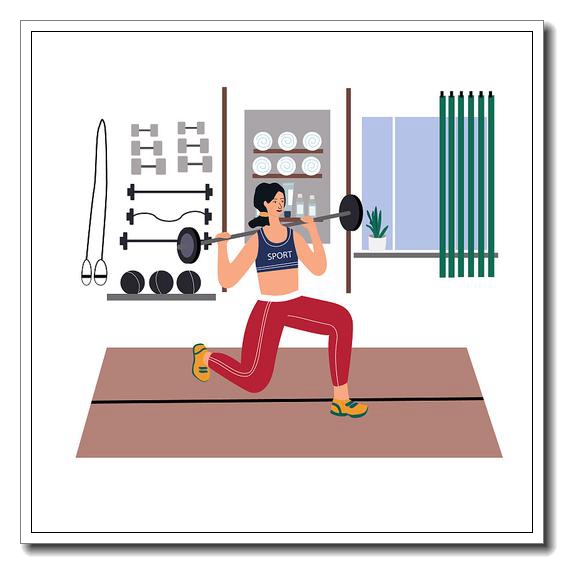
The Chinese phrase 锻炼身体 (duànliàn shēntǐ) is a common and versatile expression. It essentially means “to exercise the body” or “to work out.” This article will explore various English equivalents, considering the nuances and contexts in which this phrase canbe used.
Common Translations:
The most straightforward and widely understood equivalents are:
-
To exercise:
This is a general and widely applicable translation. “I exercise every day.” -
To work out:
Amore informal and common translation, especially in the context of physical training. “I work out at the gym.” -
To train:
Implies a more structured or goal-oriented approach to physical activity. “He trains for the marathon.”
Contextual Variations:
and mental well-being.”
Other Possible Translations:
While the options above are the most common, other verbs might fit depending on the specific nuance desired:
-
To stay fit:
This emphasizes maintaining a desired level of physical health. “He goes jogging to stay fit.” -
To get in shape:
Focuses on the improvement of physical condition. “I need to start working out to get in shape.” -
To build strength:
If the focus is on gaining muscle. “He’s building strengthby lifting weights.”
Conclusion:
While “to exercise” and “to work out” are the most direct equivalents of 锻炼身体, the best translation depends on the intended meaning and context. Consider the specific activity, the level of formality, and the overall goalwhen choosing the appropriate English phrase. The key is to communicate the idea of engaging in physical activity to improve health and fitness.