

Optimizing Your Fitness: Whats the Ideal Exercise?
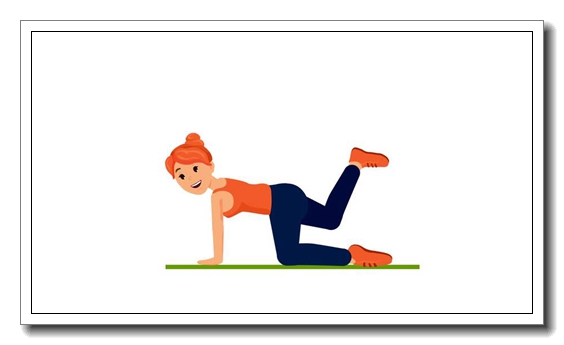
Finding the”ideal” exercise is a question that’s been pondered by fitness enthusiasts for years. The truth is, there’s no single perfect exercise for everyone. The best exercise for you depends on your individual goals, current fitness level, preferences, and any physical limitations you may have. However, understanding the different types ofexercise and their benefits is a crucial first step in building an effective and sustainable fitness routine.
Understanding Exercise Categories
Exercise can be broadly categorized into several key areas:
- Cardiovascular Exercise (Cardio): This type of exerciseelevates your heart rate and improves your cardiovascular health.
- Strength Training (Resistance Training): This involves using weights, resistance bands, or your own body weight to build muscle and increase strength.
- Flexibility Training (Stretching): This focuses on improving your range ofmotion and reducing the risk of injury.
- Balance Training: This helps improve your stability and coordination.
Cardiovascular Exercise: Benefits and Examples
Regular cardio benefits your heart, lungs, and overall endurance. It’s excellent for burningcalories and improving your mood. Examples include:
- Running
- Swimming
- Cycling
- Walking
- Dancing
- Using an elliptical machine
Strength Training: Building Muscle and Beyond
Strength training is essential for building and maintaining muscle mass, boosting metabolism, and improving bone density. It’s not just about aesthetics; it’s crucial for overall health and functionality. Examples include:
- Lifting weights (barbells, dumbbells, machines)
- Bodyweight exercises (push-ups, squats, lunges)
- Using resistance bands
Flexibility and Balance: The Often Overlooked Components
Flexibility and balance are often neglected, but they are vital for injury prevention, improved posture, and everydayfunctionality. Incorporating stretching and balance exercises can significantly enhance your fitness journey.
Examples of Flexibility Training:
- Yoga
- Pilates
- Static Stretching (holding a stretch)
- Dynamic Stretching (moving through a range of motion)
Examples of Balance Training:
- Standing on one leg
- Using a balance board
- Tai Chi
Finding the Right Exercise for You
Here’s a breakdown tohelp you find the right exercise:
- Define Your Goals: What do you want to achieve? (Weight loss, muscle gain, improved endurance, etc.)
- Assess Your Fitness Level: Be honest about your current abilities and any limitations.
- Consider Your Preferences: What activities do you enjoy? (You’re more likely to stick with something you find fun!)
- Listen to Your Body: Rest and recovery are crucial. Don’t push yourself too hard, especially when starting.
- Consult a Professional: If you’re unsure, consider consulting with a personal trainer or healthcare professional.
The
ideal exercise
for you is one that you enjoy, suits your goals, and fits into your lifestyle. It should also be safe and sustainable in the long term.Don’t be afraid to experiment to find what works best for you!