

Identifying the Specific Exercise
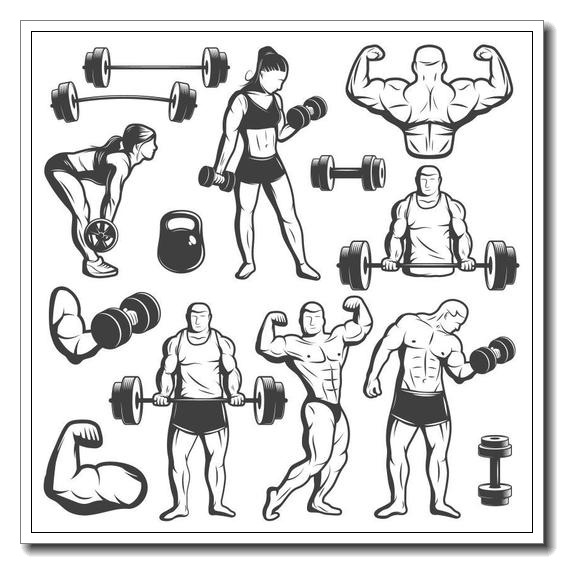
Understanding and correctly identifying the specific exercise you’re performing is crucial for effective fitness training. It allows you to track progress accurately, ensure proper form, targetthe intended muscle groups, and ultimately achieve your fitness goals. This article will explore key aspects of identifying an exercise correctly.
Why Accurate Exercise Identification Matters
Correct identification is vital for several reasons:
-
Form Refinement:
Knowing the exercise allows you to research and understand the correct form, minimizing injury risk and maximizing effectiveness. -
Muscle Targeting:
Different exercises work different muscle groups. Accurate identification ensures you’re targeting the muscles you intend to work. -
Progress Tracking:
Knowing the exact exercise allows for consistent tracking of weight, sets, reps, and overall progress, motivating you and helping you analyze your training effectiveness. -
Injury Prevention:
Performing an exercise incorrectly, or misidentifying it, can lead to strains, sprains, and other injuries.
Steps to Identify an Exercise
Here’s a breakdown of how to accurately identify the exercise you are doing:
-
Observe the Movement:
Pay close attention to the starting position, the movement path, and the ending position. Note which parts of your body are involved (e.g., legs, arms, core).
-
Equipment Involved:
Is the exercise performed with dumbbells, barbells, resistance bands, machines, or just your bodyweight? The equipment helps narrow down the possibilities.
-
Muscle Activation:
What muscles are you feeling work? Are you primarily targeting thechest, back, shoulders, legs, or core? This is a key clue.
-
Online Resources & Visual Aids:
Use search engines like Google or image search with descriptions like “exercise for [muscle group] with [equipment]”. Video tutorials on platforms like YouTube are incredibly helpful. Look for videos that demonstrate proper form.
-
Consult a Professional:
If you’re unsure, consulting a certified personal trainer or fitness instructor is always a goodidea. They can assess your form and provide guidance.
Common Exercise Categories
To aid identification, exercises are often categorized into groups:
-
Compound Exercises:
Theseinvolve multiple muscle groups and joints (e.g., Squats, Deadlifts, Bench Press). -
Isolation Exercises:
These target a single muscle group (e.g., Bicep Curls, Leg Extensions). -
Cardiovascular Exercises:
These elevate your heart rate (e.g., Running, Cycling, Swimming). -
Flexibility & Stretching Exercises:
These improve range of motion and reduce muscle tension (e.g., Yoga poses, static stretches).
Byfollowing these steps and considering these categories, you can confidently identify and correctly perform exercises, paving the way for a more effective and injury-free fitness journey.