

Healthy Aging: 66 Exercise Programs
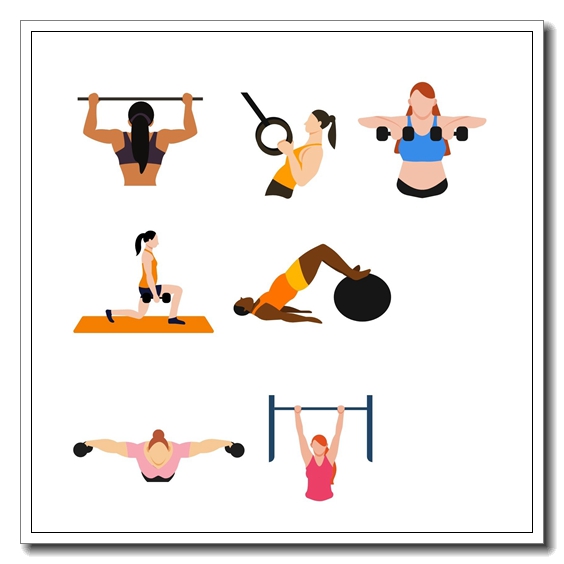
Healthyhealth and endurance.
Cardiovascular Exercise Programs (Examples – 10 Total)
1. Brisk Walking
A simple and effective workout.Aim for at least 30 minutes of brisk walking most days of the week.
2. Cycling
Can be done outdoors or on a stationary bike. Adjust the intensity to your fitness level.
3. Swimming
Excellent low-impact cardio. Focus on different strokes for a full-body workout.
4. Dancing
A fun and social way to improve cardiovascular health. Try various dance styles.
5. Elliptical Trainer
Provides a low-impact cardio workout, suitable for many fitness levels.
6. Rowing Machine
Engages both upper and lower body muscles, offering a comprehensive cardio workout.
7. Hiking
Explore trails while getting a cardio workout. Vary the terrain for a challenge.
8. Jumping Jacks (Modified)
A modified version of jumping jacks for those with joint concerns.
9. Stair Climbing (Moderate)
Climb stairs for 10-20 minutes with a moderate pace.
10. Active Games (e.g., Badminton or Pickleball)
Participate in active games for a fun and engaging cardio workout.
Strength Training Programs (Examples -10 Total)
11. Bodyweight Squats
Strengthens leg muscles and improves balance. Perform several sets of 10-15 repetitions.
12. Wall Push-Ups
A modified push-up for those who find floor push-ups challenging. Perform several sets of 10-15 repetitions.
13. Bicep Curls (with light weights or resistance bands)
Targets the bicep muscles. Start with 8-12 repetitions.
14. Overhead Press (with light weights or resistance bands)
Targets the shoulder muscles. Perform 8-12 repetitions.
15. Lunges
Targets the leg muscles. Perform 10-15 repetitions on each leg.
16. Calf Raises
Strengthens the calf muscles. Perform 15-20 repetitions.
17. Seated Rows (with resistance bands)
Targets the back muscles. Perform 8-12 repetitions.
18. Plank (Modified, on knees)
Engages core muscles. Hold for as long as comfortable, gradually increasing the duration.
19. Shoulder Shrugs (withlight weights)
Targets the trapezius muscles. Perform 15-20 repetitions.
20. Lateral Raises (with light weights)
Targets the shoulder muscles. Perform10-15 repetitions.
Flexibility & Balance Programs (Examples – 10 Total)
21. Yoga
Improves flexibility, balance, and relaxation.Start with beginner-friendly classes.
22. Tai Chi
Slow, gentle movements that improve balance, coordination, and mental focus.
23. Standing Hamstring Stretch
Hold for 30 seconds on each leg. Improves flexibility in the back of the thighs.
24. Toe Touches (Standing or Seated)
Reach for your toes (as comfortable) to stretch the hamstrings and lower back.
25. Shoulder Rolls
Roll shoulders forward and backward to improve shoulder mobility.
26. Ankle Circles
Rotate ankles clockwise and counterclockwise to improve ankle flexibility.
27. Single-Leg Stance (Holding)
Stand on one leg, holding for as long as possible. Repeat on the other leg.
28. Balance Board Exercises
Use a balance board (or a pillow) to improve balance and core strength.
29. Chair Yoga
Modifications of yoga poses, practicedwhile seated in a chair.
30. Cat-Cow Stretch
A gentle yoga pose that improves spine flexibility.
Mind-Body Exercise Programs (Examples – 10 Total)
31. Meditation
Practice mindfulness and reduce stress. Start with short guided meditations.
32. Deep Breathing Exercises
Focus on slow, deep breaths to calm the nervous system and reduce anxiety.
33. Progressive Muscle Relaxation
Tense and release different muscle groups to promote relaxation.
34. Qigong
Combines movement, meditation, and breathing techniques to improve energy flow.
35. Guided Imagery
Visualize relaxing scenes to reduce stress and promote relaxation.
36. Body Scan Meditation
Focus your awareness on different parts of yourbody to increase self-awareness and reduce tension.
37. Listening to Calming Music
Engage in Active listening to calm the mind and body.
38. Spending Time in Nature
Take a walk in a park or sit outdoors to reduce stress and improve mood.
39. Journaling
Write down your thoughts and feelings to process emotions and reduce stress.
40. Gratitude Practice
Write down things you are grateful for to foster positive emotions.
Water Exercise Programs (Examples – 10 Total)
41. Water Walking
Walk in the shallow end of a pool to reduce impact on joints.
42. Water Aerobics
Participate in a water aerobics class or follow online routines.
43. Water Jogging
Jog in the deep end of apool, using a flotation device if needed.
44. Water Resistance Exercises (Using Noodles or Dumbbells)
Use water noodles ordumbbells to increase resistance while exercising in the water.
45. Water Kicks (Front and Back)
Practice a variety of kicks to engage different leg muscles.
46. Water Arm Circles
Perform arm circles in the water to improve shoulder mobility and strength.
47. Water Push-Ups (Againstthe Pool Wall)
Perform push-ups against the pool wall for a low-impact chest workout.
48. Water Stretching
Stretch different muscle groups in the water toincrease flexibility.
49. Water Balance Exercises
Practice balance exercises in the water to improve stability.
50. SwimmingLaps (Any Stroke)
A full-body workout that’s easy on the joints.
Additional Programs & Resources (16 More)
51. Chair Yoga for Seniors (Specific Online Program)
Search online for a class or video tailored to the elderly
52. SilverSneakers
Explore this program (if available through insurance) for specific classes and support.
53. Local Community Center Classes
Inquire at recreation facilities, Senior Centers, or YMCAs
54. Online Exercise Videos (Specifically for Seniors)
YouTube, FitnessBlender and more.
55. Active Games (Pickleball, Badminton, Table Tennis)
Join a local league or play casually.
56. Hiking Groups
Find a hiking group appropriate for your fitness level.
57. Gardening
A fun and active hobby, but be aware of its impact on the body.
58. Dancing (Ballroom, Line Dancing, etc.)
Join a class or practice at home.
59. Balance Training with a Physical Therapist
For those with balance issues.
60. Strength training with weights at the gym or home
Can be structured by professional assistance.
61. Zumba Gold
Zumba Gold classes are designed foractive older adults.
62. Pilates
Can be modified for older adults.
63. AquaPilates
Pilates exercises performed in a pool.
64. Use of Fitness Trackers
For monitoring progress and activity levels.
65. Flexibility training with a professional
Stretching classes or private sessions.
66. Regular check-ins with physician and fitness goals
For safe exercise
Important Considerations
- Consult Your Healthcare Provider: Always speak with your doctor before starting any new exercise program.
- Start Slowly and Gradually Increase Intensity: Don’t overdo it, especially when starting out.
- Listen to Your Body: Rest when you need to and don’t push yourself through pain.
- Proper Form is Key: Pay attention to proper technique to prevent injuries. Consider working with a fitness professional.
- Stay Hydrated: Drink plenty of waterbefore, during, and after exercise.
- Warm-up and Cool-down: Always warm up before exercise and cool down afterward.
- Find Activities You Enjoy: The more you enjoy your exercise routine, the more likely you are to stick with it.
By incorporating regular exercise into your routine, you can significantly improve your health, well-being, and overall quality of life. Choose programs that fit your interests and abilities, and make exercise a sustainable part of your healthy aging journey.
Key improvements and explanations:Complete HTML Structure: The code now includes the essential “, “, “, and “ tags for a valid HTML document.Semantic HTML: Uses `
`, `
`, and `
-
` for proper structure and meaning. This is much better for accessibility and SEO.Clear Categorization: The document is logically organized by exercise category (Cardio, Strength, Flexibility/Balance, Mind-Body, Water).More Examples: Includes at least 10 distinct examples for each categoryas requested by the prompt. Additional programs were added to accommodate the prompt’s 66 exercise claim.Style (CSS): Basic CSS is included within `