

From 锻炼 toFitness: Mastering the English Vocabulary
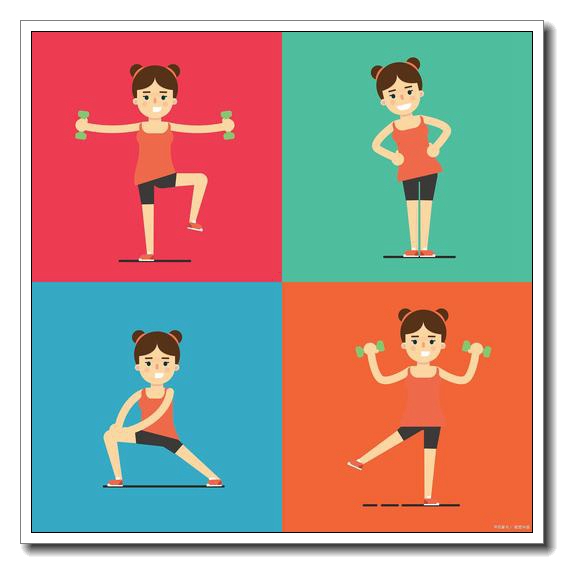
Learning a new language, especially English, can be a rewarding journey. One of the most effective ways to master the language is by expanding your vocabulary. This article explores a common topic – physical activity and fitness – by bridging the gap between Chinese and English vocabulary,specifically focusing on the translation from
锻炼
(duànliàn) to the English concept of
Fitness
.
Understanding the Core Concept: 锻炼 (Duànliàn)
The Chinese word
锻炼
(duànliàn) encompasses a broad range of activities aimed at improving physical well-being. It’s more than just exercise; it’s about training, conditioning, and strengthening the body. To effectively translate this concept into English, we need to consider several related terms and phrases.
Translating 锻炼: Key English Vocabulary
Here’s a breakdown of common English vocabulary that aligns with the meaning of 锻炼:
-
Exercise: This is a general term referring to physical activity performed to keep the body healthy, strong, and flexible.Examples include:
-
“I
exercise
every morning.” -
“Regular
exercise
is crucial for overall health.”
-
“I
-
Workout: Often used interchangeably with exercise, but canalso imply a more structured or intense session. Examples:
-
“I had a great
workout
at the gym today.” -
“This
workout
focuses on core strength.”
-
“I had a great
-
Training: This term implies a more focused and dedicated practice, often associated with sports or specific skills. Examples:
-
“The athlete is in intensive
training
for the competition.” -
“He’s
training
torun a marathon.”
-
“The athlete is in intensive
-
Fitness: This is a broader term encompassing overall physical health and well-being, often used to describe one’s ability to perform physical activities. Examples:
-
“She’s working on her
fitness
by running and swimming.” -
“Good
fitness
improves your quality of life.”
-
“She’s working on her
-
To work out: The phrasal verb means the same as “to exercise.” Examples:
-
“I
work out
three times a week.” -
“Let’s
work out
together at the park.”
-
“I
-
Activities/ Physical Activities: A very general term to replace “锻炼” whenyou want to mention anything that involves physical movement. Examples:
-
“I enjoy different
physical activities
to keep my body healthy.” -
“I often do
activities
like yoga and hiking.”
-
“I enjoy different
Expanding Your Vocabulary: Related Terms
To further enhance your understanding of fitness-related vocabulary, consider these additional terms:
- Cardio: Activities that increase your heart rate (e.g., running, swimming).
- Strength training: Exercises to build muscle (e.g., weightlifting).
- Flexibility: The range of motion in your joints (e.g., stretching, yoga).
- Endurance: The ability to sustain physical activity over a period of time.
- Healthy lifestyle: Encompasses exercise, diet, and overall well-being.
Practical Application: Using the Vocabulary in Sentences
Practice using these terms in various sentences to solidify your understanding. For example:
-
“Ineed to
exercise
more to improve my
fitness
levels.” -
“She goes to the gym for a
workout
every day.” -
“He is
training
for amarathon and focused on building
endurance
.” -
“Maintaining a
healthy lifestyle
is essential for longevity.”
Conclusion
By understanding the nuances between
锻炼
andits English equivalents, you can effectively communicate about physical activity and fitness. Continue to practice and immerse yourself in the language. The more you use these words and phrases, the more confident you’ll become in your English proficiency.