

Fit Your English: Using Exercise-Related Nouns Correctly
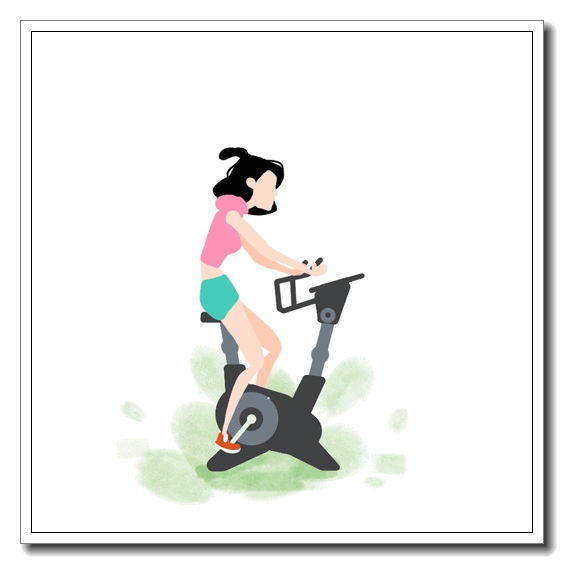
Staying active is important for both physicaland mental well-being. And just like physical fitness, mastering English requires practice! This article focuses on using exercise-related nouns correctly, helping you to build a stronger vocabulary and communicate more effectively about your fitness routine.
Understanding the Basics
Exercise-related nouns can often be tricky becausethey can refer to both the action and the result of that action. Let’s look at some common examples and their correct usage:
-
Workout: This refers to a session of exercise. It can be a noun (
My workout was intense today.
) ora verb (
I worked out at the gym.
). -
Exercise: This is a general term for physicalactivity and can also refer to a specific activity. It can be a noun (
Regular exercise is crucial for good health.
) or a verb (
I exercise every day.
). -
Training: This implies a more structured and goal-oriented approach to exercise, often for a specific sport or event. It’s often used as a noun (
My training for the marathon is goingwell.
) or a verb (
I am training hard for the competition.
). -
Practice: This refers to repeated performance of an activity to improve skill. It can be a noun (
The team’s practice started late today.
) or a verb (
They practice every Tuesday and Thursday.
). While related to exercise, it’s often moreconnected to sports or specific skills.
Example:
I have a workout scheduled for tomorrow morning.
Example:
This stretching is a beneficial exercise for my back.
Example:
She does training at the gym at least three times a week.
Example:
We had a grueling practice session yesterday.
Specific Exercise Types (and Related Nouns)
Beyond the general terms, here are some nouns associated with specific types of exercise:
-
Run/Jog: (The run/jog) – The act of running. The run/jog is often described by distance or time. (
Iwent for a run this morning. I completed a 5k run.
) -
Swim:(The swim) – The act of swimming. (
I went for a swim in the pool.
) -
Lift/Weightlifting: (The lift/lifting) – The act of lifting weights. (
My lifts are improving each week. Weightlifting is a good way to build strength.
) -
Yoga/Pilates: (The session/class) – These are often referred to as a class or session. (
I attenda yoga class every Wednesday.
)
Example:
Her daily jog is 3 miles.
Example:
The open-water swim was challenging.
Example:
He focuses on his lifting routine in the afternoons.
Example:
The Pilates session focused on core strength.
Common Mistakes to Avoid
Hereare some common errors to watch out for:
- Incorrect prepositions. For example, use “go for a walk/run/swim” instead of “go to a walk/run/swim”.
- Using the wrong noun. For example, use “workout” todescribe an exercise session, not “exercise”, though “exercise” is often acceptable as well.
Practice Makes Perfect!
To solidify your understanding, try these exercises:
- Write three sentences using the word “workout”.
- Describe your last exercise session using at least three different exercise-related nouns.
- Ask a friend about their training for a specific activity (e.g., running a marathon) and pay attention to the nouns they use.
By consciously using these words correctly, you’ll not only improve your English but also be able to communicate effectively about your fitness journey. Keep practicing and you’ll be speaking fluently about your favorite activities in no time!