

Exercise vs. Training: Understanding the Chinese Distinction
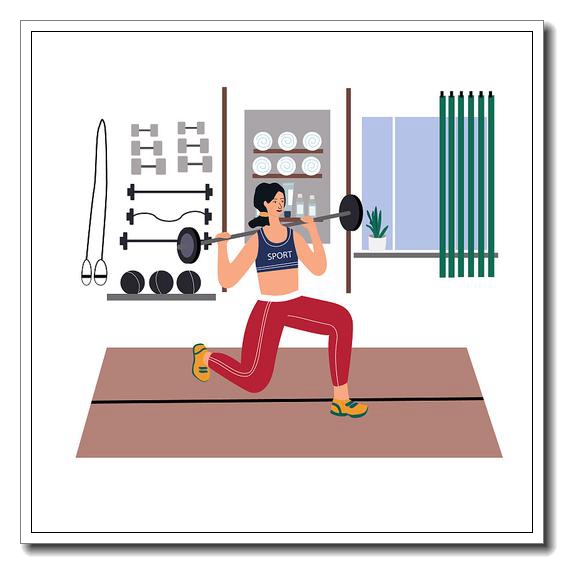
In the world of fitness and well-being, theterms “exercise” and “training” are often used interchangeably. However, in Chinese, these concepts are distinct and represent different approaches to physical activity. Understanding this nuance can provide valuable insights into how different cultures approach health and fitness, and potentially inform your own exercise routine.
The Chinese Perspective: What’s the Difference?
The core of the distinction lies in the purpose and methodology behind the physical activity. Let’s break down the key differences:
Exercise (运动 – Yùndòng)
In Chinese,运动 (Yùndòng) typically refers to general physical activity for health and well-being. It’s often characterized by:
-
Focus on General Health: The primary goal is to improve overall health, fitness levels, and well-being, rather than achieving specific performanceXùnliàn)
训练 (Xùnliàn), on the other hand, implies a more structured and goal-oriented approach. It’s typically characterized by:
- Specific Goals: Training is usually undertaken with specific, measurable goals inmind, such as improving strength, endurance, speed, or mastering a particular skill.
- Structured Programs: Involves a carefully planned program with specific exercises, repetitions, sets, and rest periods.
- Progression: Training programs are designed to gradually increase intensityand difficulty over time (progressive overload).
- Discipline and Dedication: Requires greater discipline and commitment to adhere to the training schedule and push oneself.
- Focus on Performance: Emphasis is on achieving peak performance in a specific sport or activity.
- OftenRequires Guidance: Typically involves guidance from a coach or trainer for optimal results and to prevent injury.
Bridging the Gap: Finding Balance
While the distinction is clear in Chinese, it’s not always a strict divide. Many people engage in both Yùndòng and Xùnliàn, depending on their individual goals and preferences.
Consider the following:
- Your Goals: What are you hoping to achieve through physical activity? Are you primarily aiming for better health and well-being (Yùndòng), or are you striving to improve performance in a specific area (Xùnliàn)?
- Your Time and Resources: Training often requires a greater time commitment and potentially specialized equipment or coaching. Exercise can be more easily integrated into a busy schedule.
- Your Enjoyment: Ultimately, the best approach is the one you enjoy and can consistently stick to. Find activities that you find engaging and motivating.
In conclusion, understanding the nuances of how the Chinese differentiate between exercise and training can offer a fresh perspective. Whether you chooseto focus on Yùndòng, to prioritize general well-being, or Xùnliàn, pursuing specific performance goals, is a matter of personal choice. The key is to find a balance that supports your overall health and allows you to enjoy the benefits of regular physical activity.
Ihope this article has provided helpful insights. Remember to consult with a healthcare professional before starting any new exercise program.