

English for Fitness: How to Use Exercise to Stay Healthy
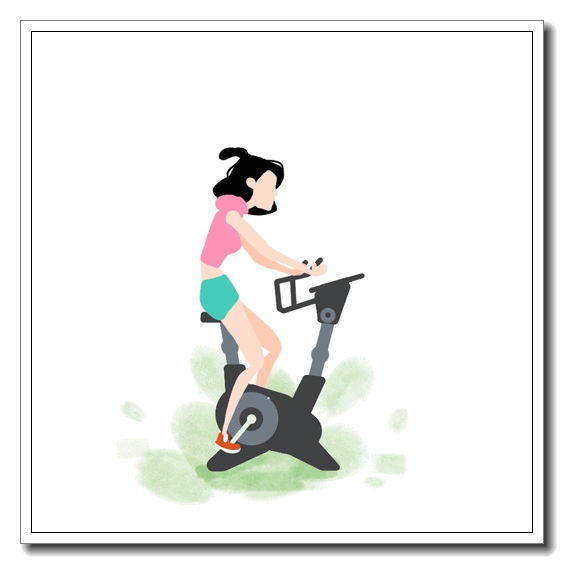
Intoday’s fast-paced world, maintaining a healthy lifestyle is more important than ever. And at the heart of a healthy lifestyle lies regular exercise. This article, designed with English learners in mind, will guide you through the basics of incorporating exercise into your routine and achieving a healthier you. We’ll explore vocabulary related to fitness and provide practical tips that are easy to understand and implement.
Why Exercise Matters
Exercise offers a multitude of benefits, both physically and mentally. It’s not just about looking good; it’s about feeling great and functioningat your best. Here are some key benefits:
- Improves cardiovascular health: Strengthens your heart and lungs, reducing the risk of heart disease.
- Boosts mood and reduces stress: Releases endorphins, which have mood-boosting effects.
- Helps control weight: Burns calories and builds muscle mass, aiding in weight management.
- Strengthens bones and muscles: Reduces the risk of osteoporosis and injuries.
- Enhances cognitive function: Improves memory and focus.
Getting Started: Exercise Vocabulary
Understanding the right vocabulary is crucial. Here are some essential words and phrases to get you started:
- Workout: A session of physical exercise. (e.g., “I have a workout planned for this afternoon.”)
- Exercise: Physical activity done to improve health or fitness. (e.g., “Regular exercise is important.”)
- Cardio: Activities that elevate your heart rate, such as running, swimming, or cycling. (e.g., “I prefer cardio workouts.”)
- Strength Training: Exercises that build muscle, such as weightlifting or using resistance bands. (e.g., “Strength training is beneficial for building muscle.”)
- Warm-up: Light exercises to prepare your body for more intense activity.(e.g., “Always warm up before your workout.”)
- Cool-down: Gentle exercises to help your body recover after a workout. (e.g., “Don’t forget to cool down.”)
- Repetition (Rep): How many times you doan exercise. (e.g., “Do three sets of ten repetitions.”)
- Set: A group of repetitions. (e.g., “Take a short rest between each set.”)
- Endurance: The ability to keep doing an activity for a long time. (e.g., “This workout will improve your endurance.”)
Types of Exercise and Examples
Variety is key! Here are some different types of exercise and examples you can try:
Cardio Exercises
- Running
- Swimming
- Cycling
- Dancing
- Jumping Jacks
Strength Training Exercises
- Weightlifting (Dumbbells, barbells, machines)
- Push-ups
- Squats
- Lunges
- Planks
Flexibility and Balance Exercises
- Yoga
- Pilates
- Stretching
Creating Your ExercisePlan
Building a plan that suits your needs and goals is crucial for long-term success. Consider these steps:
- Set Realistic Goals: Start small and gradually increase the intensity and duration of your workouts. (e.g., “Mygoal is to walk for 30 minutes, three times a week.”)
- Choose Activities You Enjoy: You’re more likely to stick with exercise if you find it enjoyable.
- Schedule Your Workouts: Treat your exercise sessions like important appointments. (e.g.,”I schedule my exercises every morning.”)
- Listen to Your Body: Rest and recover when needed. Don’t push yourself too hard, especially when you’re just starting.
- Stay Hydrated: Drink plenty of water before, during, and after your workouts.
- Find a Workout Partner: Having a friend to exercise with can provide motivation and accountability.
Staying Motivated and Overcoming Challenges
Staying motivated can be tough, but here areyourself up!
Conclusion
Incorporating exercise into your life is a journey, not a destination. By understanding the benefits of exercise, learning the relevant vocabulary, and creating a realistic plan, you can take control of your healthand well-being. Remember to be patient with yourself, celebrate your successes, and enjoy the process. Good luck, and happy exercising!