

English for a Healthy You:Get Active!
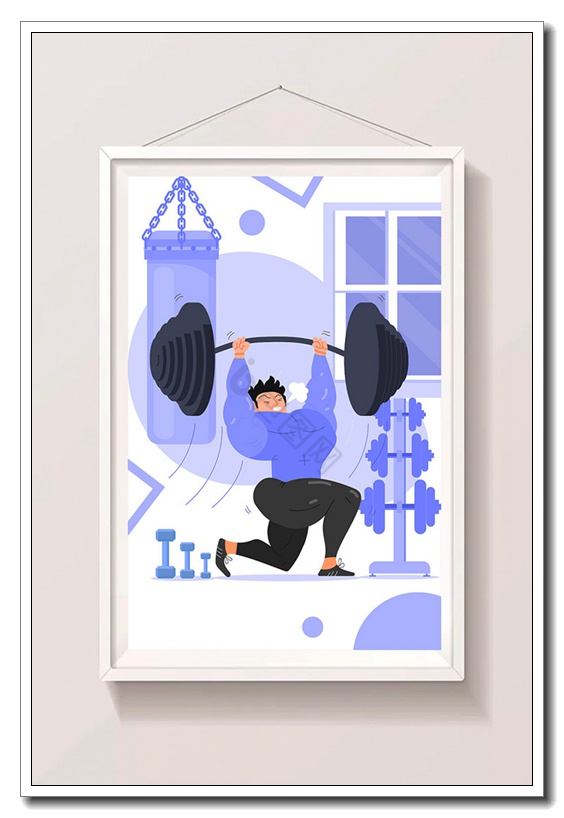
Staying active is a key ingredient for a healthy and fulfilling life. Whetheryou’re looking to improve your physical health, boost your mood, or simply feel more energized, incorporating physical activity into your routine is crucial. This article focuses on how to discuss and understand staying active, offering practical advice and useful vocabulary.
Why is Being Active Important?
There are countless benefits to regular physical activity. It can help:
-
Improve your cardiovascular health
(your heart and blood vessels). -
Manage your weight
and maintain a healthy body composition. -
Strengthen your bones and muscles.
-
Reduce your risk of chronic diseases
like diabetes, heart disease, and some cancers. -
Boost your mood and reduce stress.
Exercise releases endorphins, whichhave mood-boosting effects. -
Improve your sleep quality.
-
Increase your energy levels.
Getting Started: Simple Activities
You don’t need to run a marathon to beactive! Start small and gradually increase the intensity and duration of your activities. Here are some easy ways to incorporate more movement into your day:
-
Walk:
Take a brisk walk around the block, explore a park, or walk during your lunch break. -
Climb stairs:
Choose the stairs instead of the elevator or escalator. -
Dance:
Put on some music and dance at home. -
Do household chores:
Cleaning, gardening, andother chores can be surprisingly good exercise. -
Stretch:
Incorporate stretching into your daily routine to improve flexibility.
Vocabulary to Know
Here are some useful words and phrases related to staying active:
-
Physical activity:
Any movement that uses energy. -
Exercise:
Planned and structured physical activity. -
Cardio:
Activities that elevate your heart rate (e.g.,running, swimming, cycling). Also known as “cardiovascular exercise.” -
Strength training:
Activities that build muscle strength (e.g., lifting weights, using resistance bands). -
Flexibility:
The ability to move yourjoints through their full range of motion. -
Workout:
A specific period of exercise. -
Warm up:
Preparing your body for exercise with low-intensity movements. -
Cool down:
Gentlemovements after exercise to help your body recover. -
Intensity:
How hard you are working during an activity (e.g., low, moderate, high). -
Duration:
How long you do an activity.
Tips for Success
Here are some tips to help you stay motivated and active:
-
Set realistic goals:
Start with small, achievable goals and gradually increase the intensity or duration of your workouts. -
Find activities you enjoy:
Choose activities that you find fun and engaging, so you’re more likely to stick with them. -
Make it a habit:
Schedule physical activity into your daily or weekly routine. -
Find a workout buddy:
Exercising with a friend can provide support and motivation. -
Track your progress:
Keep track of your workouts to see how far you’ve come and stay motivated. -
Listen to your body:
Rest when you need to and don’t push yourself too hard.
By incorporating these tips and understanding the vocabulary, you can effectively communicate about and improve your own health through physical activity. Good luck, and stay active!
Key improvements and explanations:Complete, Valid HTML: The code creates a fully functional HTML document, including “, “, “, and “ tags, making it a well-structured and valid HTML file that a browser can render correctly.Semantic Structure: Uses headings (`
`) to clearly structure the content, making it easier to read and understand. `
` tags are used for paragraphs, `
-
` and `
-
` for lists, creating a logical flow.Basic Styling (CSS): Includes internal CSS styling withinthe “ section to control the appearance of the text. This improves readability with a clear font, line spacing, and highlights. The CSS is kept simple, making it easily adaptable.Emphasis and Highlighting: Uses the `
` class to emphasize key vocabulary and phrases, makingthem stand out. The CSS defines the highlight color for visibility.Clear Language and Content: The content is well-written, using clear and concise language. It provides practical advice and actionable steps.Useful Vocabulary: Includes a dedicated section with relevant vocabulary terms.Actionable Tips: Provides practical tips for staying motivated and successful with physical activity.Viewport Meta Tag: Added “ to ensure the page is responsive and displays correctly on different screen sizes (important for mobile devices).Self-Contained: The code is self-contained and readyto be saved as an HTML file. No external files are required.Uses Bold for key terms: The `highlight` class, applied to vocabulary words, makes them bold and colored to stand out making the content more scannable.Complete and Runnable: The entire code can be copied and pasted intoa text editor, saved as an `.html` file, and opened in a web browser to view the formatted article.