

Differentiating 锻练 and 锻炼 in Chinese
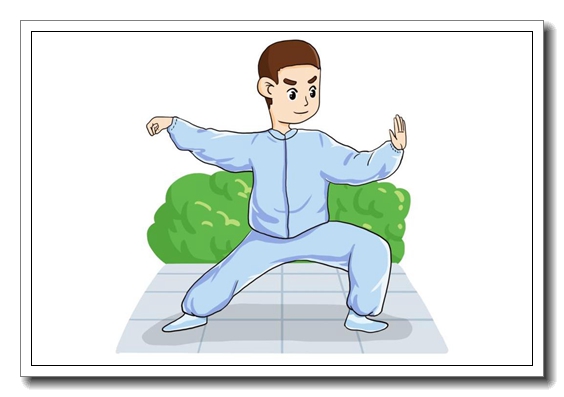
In the Chinese language, both 锻练 (duànliàn) and 锻炼 (duànliàn) are used to express the concept of “to exercise,” “to train,” or “to temper.” While they share the same pronunciation and a core meaning, subtle differences exist in their usage. Understanding these distinctions can help you use the correct word in various contexts and enhance your Chinese proficiency.
The Core Meaning and Overlap
Bothwords primarily refer to the act of:
- Physical Exercise: This includes activities like running, swimming, weightlifting, etc.
- Training: This encompasses the process of developing skills or abilities, whether physical or mental.
- Tempering/Disciplining: This can refer to the act of toughening oneself or developing resilience.
Due to this overlapping meaning, you’ll often see them used interchangeably, particularly in everyday conversation. However, considering the nuances is crucial for precise communication.
KeyDifferences and Usage Notes
The key to differentiating these two words lies in the nuances of their characters and their favored contexts:
1. 锻练 (duànliàn)
This word emphasizes the process of forging, hammering, or refining. The character “锻 (duàn)” literally means “to forge.” This implies a more deliberate and potentially arduous process of shaping or strengthening something, often through a repeated or intense effort. It often carries a stronger connotation of physical training or molding, like with athletes or in military training.
Usage Examples:
- Physical Training: This is a very common usage.
-
运动员每天都在锻练。 (Yùndòngyuán měitiān dōu zài duànliàn.) – The athletes exerciseevery day.
- Military Training: Often the preferred choice.
-
新兵正在锻练。 (Xīnbīng zhèngzài duànliàn.) – The new recruits are training.
- To Forge(figuratively or literally): To shape/improve skills or character.
-
他通过挑战不断地锻练了自己的意志。 (Tā tōngguò tiǎozhàn bùduàn de duànliàn le zìjǐ de yìzhì.) – He continuously tempered his will through challenges.
2. 锻炼 (duànliàn)
This word is often seen as the more general and commonly used of the two. It emphasizes the process of strengthening and improving, encompassingphysical, mental and emotional aspects. The character “炼 (liàn)” means “to refine” which implies a more general process of development and can be applied in various contexts.
Usage Examples:
- General Exercise: The most common usage in everyday life.
-
我每天都锻炼身体。 (Wǒ měitiān dōu duànliàn shēntǐ.) – I exercise every day.
- To Train/Develop: More general training, often involving improvement in skills or abilities.
-
我们需要锻炼领导能力。 (Wǒmen xūyào duànliàn lǐngdǎo nénglì.) – We need to develop leadership skills.
- Mental Resilience/Challenge: This usage is also common.
-
面对困难可以锻炼你的毅力。 (Miànduì kùnnán kěyǐ duànliàn nǐ de yìlì.) – Facing difficulties can develop your perseverance.
Summary Table
to consider the context, the intensity of the action, and the specific nuance you want to convey when selecting between these two words. Practice using them in different sentences to solidify your understanding.
| Feature | 锻练 (duànliàn) | 锻炼 (duànliàn) |
|---|---|---|
| Meaning Focus | Forging, hammering, refining | Strengthening, improving (general) |