

Can You Count Exercise? A Grammar Question.
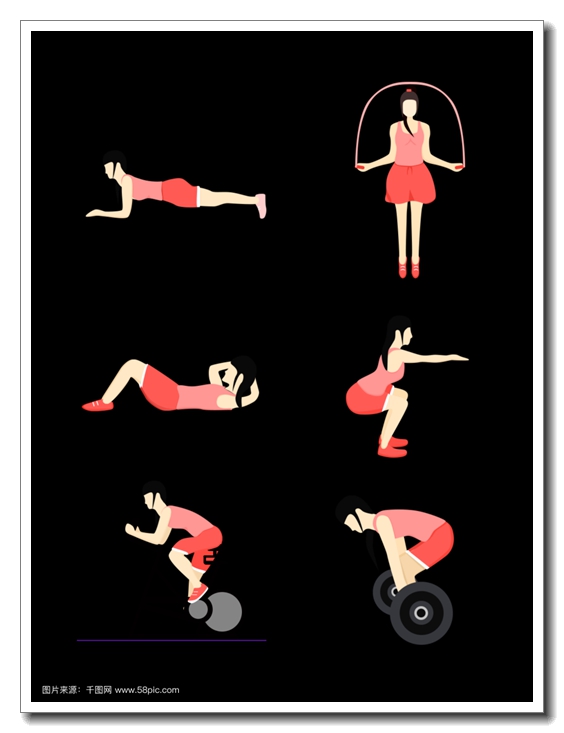
This seemingly simple question touches upon a fundamental aspect of English grammar: the difference between countable and uncountable nouns. But can you really “count” exercise? Let’s delve in.
Understanding Countable and Uncountable Nouns
To answer our question, we first need a firm grasp of the concepts of countable and uncountable nouns.
- Countable Nouns: These are nouns that can be counted individually. You can use numbers and theindefinite articles “a” or “an” with them. Examples include:
- a book, two books
- a car, five cars
- an apple, three apples
- Uncountable Nouns: These are nouns that cannot becounted individually. You usually use words like “some,” “much,” or “a lot of” with them. They don’t take the indefinite articles “a” or “an.” Examples include:
- water
- information
- advice
Is Exercise Countable or Uncountable? The Nuances
Now, back to the central question: Is “exercise” countable or uncountable? The answer is… it depends!
In general, the word “exercise” is often used as an uncountable noun, referring to the general concept of physical activity. Consider these examples:
- “I need to do more exercise.” (General, uncountable)
- “Exercise is good for your health.” (General, uncountable)
However, “exercise” can also be considered countable when referring to specific instances or activities that can be measured or quantified. For example:
- “I did three exercises yesterday.” (Specific activities – push-ups, squats, etc.)
- “He performed several abdominal exercises.” (Specific routines)
- “She did a series of warm-up exercises.” (Specific activities)
Notice how the context determines whether we use “exercise” or “exercises.”
KeyTakeaways
- “Exercise” is often treated as an uncountable noun representing the general act of being physically active.
- “Exercises” is the plural form and refers to specific activities or routines.
- Context is key in determining whether to use the singular or plural form.
So, can you count exercise? Yes and no! It depends on the context and what you’re trying to communicate. This little grammar question demonstrates how language can be flexible and context-dependent.