

Bridging the Gap: English Equivalents for 锻练 and 锻炼
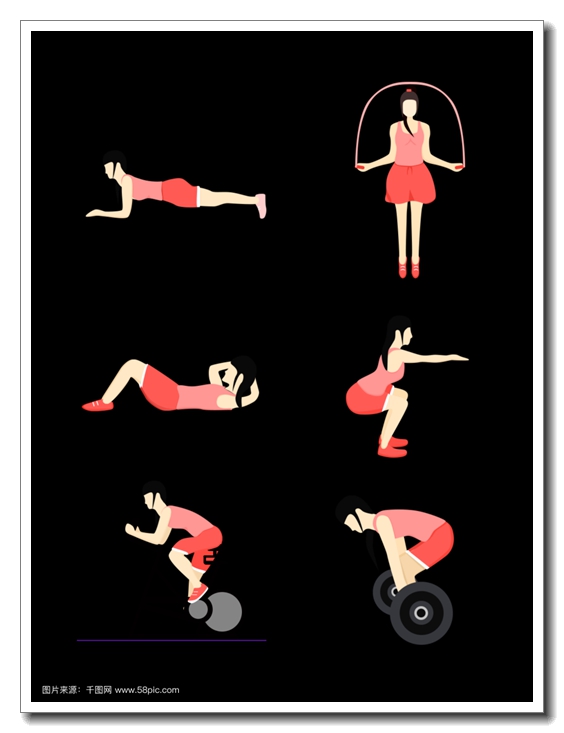
Understanding the nuances of Chinese verbs, especially those that share a similar meaning, can sometimes be challenging forEnglish speakers. This article aims to clarify the differences and overlaps between the Chinese verbs 锻练 (duànliàn) and 锻炼 (duànliàn), offering a guide to their appropriate English translations.
Understanding the Core Meaning
Both 锻练 and锻炼 generally translate to concepts related to “training,” “exercise,” or “development.” However, 锻炼 is the more common and generally applicable word. Let’s break down the nuances:
-
锻炼 (duànliàn):
This verb emphasizes physical exercise and training. It can also extend to mental or skill development, often involving practice and repetition to improve a skill or ability. -
锻练 (duànliàn):
While sharing the same pronunciation as 锻炼, 锻练 is less frequently used and carries a stronger connotation of “tempering” or “forging,” often in a metaphorical sense. It’s used less commonly to refer to physical exercise. It can indicate a refining process, building resilience, and toughening up through experience.
English Translations and Contextual Usage
The best English translation heavily depends on the context. Here are some key translations for each:
锻炼 (duànliàn) – More Common, Broader Applicability
-
Exercise:
This is a very common and straightforward translation, especially for physical activities.我每天都要锻炼。(Wǒ měitiān dōu yào duànliàn. – I exercise every day.)
-
Train:
Used when referring to practicing a skill or preparing for a specific event. Includes both physical and skill training.他正在锻炼他的演讲技巧。(Tā zhèngzài duànliàn tā de yǎnjiǎng jìqiǎo. – He is training his speech skills.)
-
Work out:
Similar to “exercise” and used for physical activities.她在健身房锻炼。(Tā zài jiànshēnfáng duànliàn. – She is working out at the gym.)
-
Practice:
Suitable for developing skills, especially in arts or sports.他们每天都在锻炼音乐才能。(Tāmen měitiān dōu zài duànliàn yīnyuè cáinéng. – They are practicing their musical talent every day.)
-
Develop:
Suggests improvement over time, often for skills and abilities.我们需要锻炼团队合作精神。(Wǒmen xūyào duànliàn tuánduì hézuò jīngshén. – We need to develop teamwork spirit.)
锻练 (duànliàn) – Less Common, Metaphorical Emphasis
-
Temper:
Suggests strengthening and toughening, often in a metaphorical sense.生活的经历锻练了他的性格。(Shēnghuó de jīnglì duànliàn le tā de xìnggé. – Lifeexperiences tempered his character.)
-
Harden:
Similar to “temper,” suggesting making someone stronger or more resilient.战争锻练了士兵的意志。(Zhànzhēng duànliàn le shìbīng de yìzhì. – Warhardened the soldiers’ will.)
-
Forge:
Emphasizes shaping and building, often applied to character or skills.苦难锻练了她的意志。(Kǔnán duànliàn le tā de yìzhì. -Hardship forged her will.)
-
Build (up):
Can be used when referring to developing something like resilience or courage.这些挑战锻练了他的勇气。(Zhèxiē tiǎozhàn duànliàn le tā de yǒngqì. – These challenges built up his courage.)
Key Takeaways
-
Context is key:
Carefully consider the context to choose the most accurate translation. -
锻炼 (duànliàn) is more versatile:
It covers a wider range of activities from physical exercise to skill development. -
锻练 (duànliàn) emphasizes the process of strengthening:
It often suggests a refining process involving challenges and hardships. -
Don’t be afraidto consult a dictionary:
When in doubt, consulting a reliable Chinese-English dictionary can always provide more specific guidance.
By understanding these nuances, you can more effectively communicate your ideas and navigate the rich vocabulary of the Chinese language.