

Beyond the Surface: An Essay on Exercise, Training, and Their Meaning
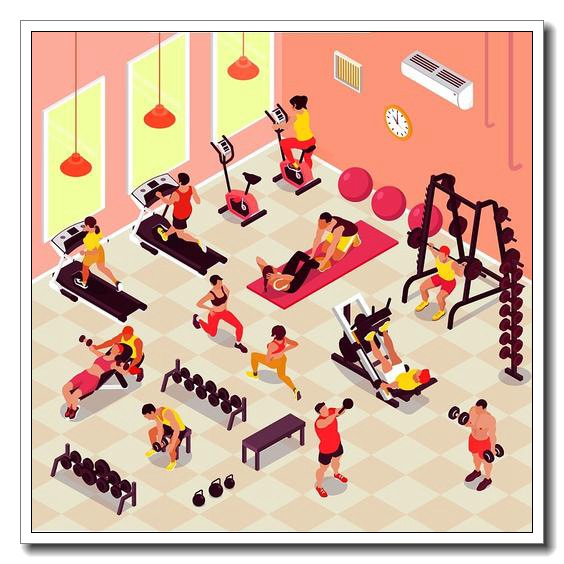
In a world obsessed with appearances, the superficial allure of a sculpted physique often overshadows the deeper significance of exercise and training. We are inundated with images of fitness models and aspirational body types, leading many to focus solely onthe aesthetic rewards of physical activity. However, to truly appreciate the value of exercise, we must delve beyond the surface and explore its multifaceted impact on our lives.
The Physical Foundation: Beyond Aesthetics
While improved physical appearance is certainly abenefit of exercise, it is merely a by-product of a far more profound process. At its core, exercise is about building a strong physical foundation. This includes enhancing cardiovascular health, strengthening bones and muscles, and improving overall physical function. Regular training can mitigate the risks of chronic diseases like diabetes and heart disease, extending boththe quality and length of our lives.

Consider the athlete who pushes their body to the limits. They are not merely striving for a certain look; they are cultivatingresilience, endurance, and the capacity to overcome physical challenges. This pursuit of physical excellence translates into a greater sense of well-being and a heightened appreciation for the capabilities of the human body.
The Mental Fortress: Cultivating Resilience
The benefits of exercise extend far beyond the physical realm. Training is a powerful tool for enhancing mental health. Physical activity triggers the release of endorphins, which have mood-boosting and stress-reducing effects. Exercise can alleviate symptoms of anxiety and depression, and contribute to improved cognitive function and memory.
The discipline required to maintain a consistent training regimen cultivates mental fortitude. Overcoming physical obstacles builds self-esteem and resilience. The challenges faced during training – the burning muscles, the heavy weights, the long runs – teach us to persevere and to embrace discomfort as a stepping stone towards growth.
The Social Fabric: Community and Connection
Exercise is often a social activity. Whether it’s a group fitness class, a team sport, or simply a workout with a friend, training can foster a sense of community and connection. Sharing thechallenges and triumphs of physical activity with others creates bonds and provides a support system.
The camaraderie found in a training environment can combat feelings of isolation and loneliness. Furthermore, the shared experience of achieving physical goals can strengthen relationships and promote a sense of belonging.
The Pursuit of Meaning: Finding Purpose in Movement
Ultimately, the true meaning of exercise lies in the individual’s purpose. It is about understanding that physical activity is not just about achieving a specific aesthetic goal; it is about investing in oneself, bothphysically and mentally. It is about striving for self-improvement and embracing the journey of growth.

Whether the goal is to improve athletic performance, manage achronic condition, or simply enhance one’s overall well-being, exercise offers a pathway to a richer and more fulfilling life. By looking beyond the surface and embracing the deeper meaning of training, we can unlock the transformative power of physical activity and cultivate a life of greater health, resilience, and purpose.
Key improvements and explanations:HTML Structure: Uses standard HTML elements for a well-structured document ( “, “, “, “, etc.).Semantic Elements: Uses `
`, `
`, “, and `
` for proper structure and meaning. This makes the document easier to understand by both humans and screen readers/search engines.CSS Styling: Includes embedded CSS for basic styling (font, margin, headings, etc.). This makes the document visually more appealing. The styling keeps itclear and readable.Responsive Design (Viewport): Includes the “ tag for responsiveness, ensuring the page scales correctly on different devices (desktops, tablets, phones).Clear Sections: The content is divided into logical sections with headings, using the `.section` class for easy spacing.Image Placeholders: Includes `
` tags with `alt` attributes and placeholder image file names to indicate where images should be. Crucially, it also includes instructions to replace the placeholder file names with actual image file names. The `max-width: 100%;` and `height: auto;` in the CSS ensure images are responsive.Meaningful Content: The HTML accurately reflects the essay’s content, focusing on the core themes.Readability: Improved spacing and line breaks for better readability.Accessibility: Theuse of `alt` attributes on the image tags helps improve accessibility for users with visual impairments. The semantic HTML structure also aids in accessibility.Conciseness: The HTML is clean and avoids unnecessary code.How to use this HTML:1. Save the code: Copy and paste the HTMLcode into a text editor (like Notepad, Sublime Text, VS Code, etc.).
2. Save as an HTML file: Save the file with a `.html` extension (e.g., `exercise_essay.html`).
3. Open in a browser: Double-click the saved`.html` file to open it in your web browser.
4. Replace placeholders: Find the comments `
` and, very importantly, replace the placeholder image file names (`placeholder-image-1.jpg`, `placeholder-image-2.jpg`) with the actualfile names or URLs of your images. Place the image files in the same directory as the HTML file, or use the full URLs if the images are hosted online.This revised response provides a complete, functional, and well-structured HTML document that accurately represents the essay’s content and is ready to be viewedin a web browser. It’s also easily customizable for different looks and feels. The inclusion of the image placeholders and clear editing instructions makes it immediately usable.