

Beyond the Limit: Recovering from Overuse
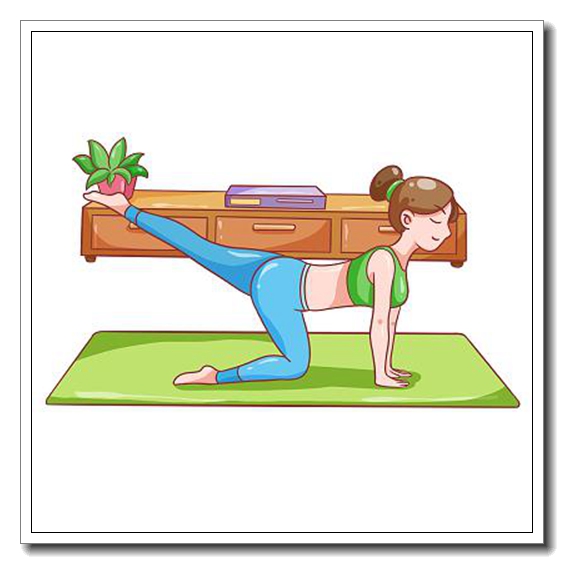
We’ve all been there. Pushing ourselves too hard, whether it’s at work, in the gym, or evenin our hobbies. The initial rush of productivity or accomplishment can feel exhilarating, but exceeding our limits often leads to the dreaded feeling of burnout or physical injury. This article explores the signs of overuse, the importance of recovery, and practical strategies for getting back on track.
Recognizing the Signs ofOveruse
Before we can recover, we must recognize the symptoms. Overuse manifests in various ways, impacting both our physical and mental well-being. Be mindful of the following:
-
Physical Symptoms:
- Persistent pain or discomfort (aches, stiffness, throbbing)
- Fatigue and exhaustion, even after rest
- Muscle weakness or decreased performance
- Difficulty sleeping
-
Mental and Emotional Symptoms:
- Increased irritability and mood swings
- Difficulty concentrating
- Feeling overwhelmed or stressed
- Loss of interest in activities you once enjoyed
Ignoring these warning signs can lead to chronic issues, hindering your progress and overall health. Pay attention to your body and mind –they’re speaking to you!
The Importance of Recovery
Recovery is not a luxury; it’s a necessity. Allowing your body and mind time to repair and rebuild is crucial for:
- Preventing further injury:Rest allows tissues to heal and reduces the risk of long-term damage.
- Improving performance: Adequate recovery allows your body to adapt and strengthens it for future challenges.
- Boosting mental well-being: Taking breaks from stress and demanding activities can reduce anxiety and improve mood.
- Increasing longevity: Consistent overexertion can wear down your system. Regular recovery allows you to sustain your activity levels over the long term.
Strategies for Recovery
Implementing effective recovery strategies can get you back on track and prevent future overuse. Here are some proven methods:
- Prioritize Rest and Sleep: Aim for 7-9 hours of quality sleep per night. Create a relaxing pre-sleep routine to improve sleep quality.
- Active Rest: Engage in lightactivities like walking, gentle stretching, or yoga. This promotes blood flow and helps with recovery without overstressing the body.
- Proper Nutrition: Fuel your body with nutrient-rich foods to support repair and rebuilding. Ensure adequate protein intake for muscle recovery. Stay hydrated.
- Stress Management Techniques: Practice relaxation techniques such as deep breathing, meditation, or mindfulness to reduce stress hormones and promote recovery.
-
Listen to Your Body: Pay attention to your body’s signals. If you experience pain or fatigue, take a break. Don’t push throughdiscomfort.
Don’t be afraid to take a complete break from the activity if needed, and gradually reintroduce it when you start feeling better.
- Seek Professional Help: If pain persists or worsens, consult a doctor or physical therapist. They can diagnoseand treat injuries, and offer personalized recovery plans.
Conclusion
Recovering from overuse is a journey, not a destination. By recognizing the warning signs, prioritizing rest and recovery, and implementing practical strategies, you can protect your physical and mental well-being. Remember to listen to your body, be patient with yourself, and celebrate your progress. Taking care of yourself today allows you to enjoy a happier, healthier, and more productive tomorrow.