

锻炼身体 – English Translation Guide
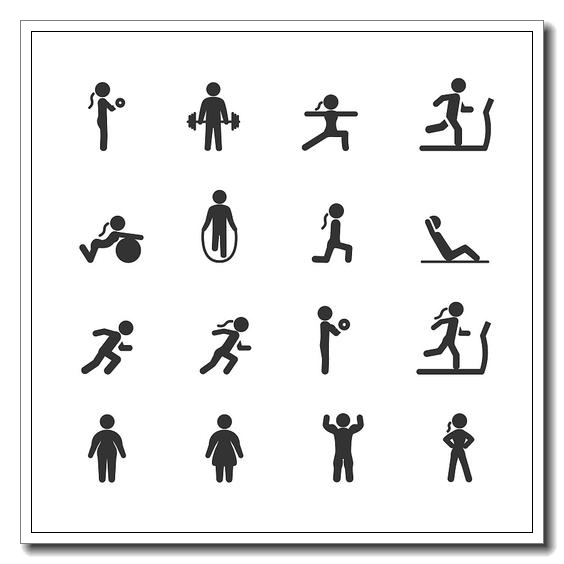
This guide provides translations and context for the Chinese phrase “锻炼身体” (duànliàn shēntǐ), which means “to exercise” or “to work out.” This is a fundamental phrase when discussing physical activity in Chinese.
Common Translations of “锻炼身体”
| Chinese (Simplified) | Pinyin | English Translation | Context |
|---|---|---|---|
| 锻炼身体 | duànliàn shēntǐ | To exercise; to work out | The most direct and common translation. This phrase is versatile and can be used ina variety of situations. |
| 做运动 | zuò yùndòng | To do exercise; to do sports | Similar in meaning to “锻炼身体,” but often implies a more specific type of activity (e.g., playinga sport). |
| 健身 | jiànshēn | To work out; to build fitness | Often implies a focus on physical fitness and building muscle, especially in a gym setting. |
| 运动锻炼 | yùndòng duànliàn | Exercise training; physical training | A more formal and technical way to say “exercise.” |
Sentences Using “锻炼身体”
-
我每天都锻炼身体。 (Wǒ měitiān dōu duànliàn shēntǐ.) –
I exercise every day.
-
你需要锻炼身体来保持健康。 (Nǐ xūyào duànliàn shēntǐ lái bǎochí jiànkāng.) –
You need to exercise to stay healthy.
-
他经常去健身房锻炼身体。 (Tā jīngcháng qù jiànshēnfáng duànliàn shēntǐ.) –
He often goes to the gym to work out.
-
锻炼身体对你的身体有好处。 (Duànliàn shēntǐ duì nǐ de shēntǐ yǒu hǎochù.) –
Exercising is good for your body.
Note: The specific English phrase you choose will depend on the context. Consider the type of exercise being discussed and the level of formality required.
Related Vocabulary
-
健康 (jiànkāng) –
Health
-
健身房 (jiànshēnfáng) –
Gym
-
跑步 (pǎobù) –
To run; running
-
游泳 (yóuyǒng) –
To swim; swimming
-
瑜伽 (yújiā) –
Yoga
-
肌肉 (jīròu) –
Muscle
This guide should help you understand and translate “锻炼身体” more effectively. Good luck with your language learning!