Wellness Visuals: A Picture Guide to Health
Introduction
Understanding and maintaining good health can sometimes feel overwhelming. This guide aims to simplify key wellness concepts through the power of visuals. We’ll explore different aspects ofhealth, broken down into easily digestible pictures and accompanying explanations. Remember, this is a general guide and should not replace professional medical advice. Always consult with a healthcare provider for personalized guidance.
Healthy Eating Habits
 A visually appealing plate showcasing the principles of healthy eating:
balance, variety, and moderation
.
Thecornerstone of good health is a nutritious diet. Focus on consuming a variety of fruits, vegetables, whole grains, and lean protein sources. Limit processed foods, sugary drinks, and excessive amounts of saturated and unhealthy fats.
Regular PhysicalActivity
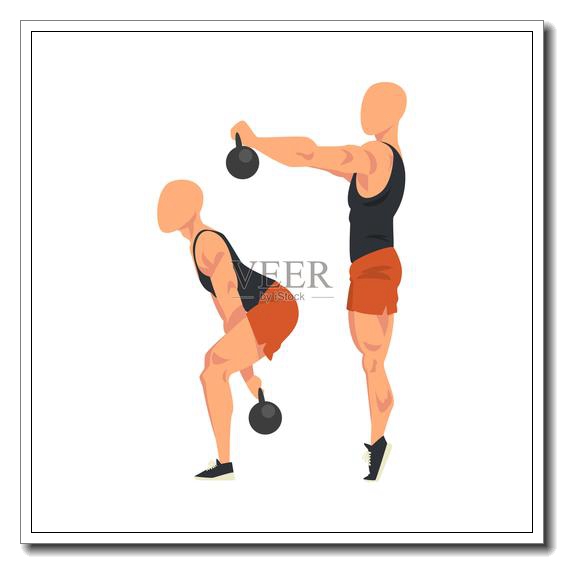
 Illustrating different forms of exercise, highlighting the importance of
physical activity for all ages and abilities.
Aim for at least 150 minutes of moderate-intensity or 75 minutes of vigorous-intensity aerobic activity per week. Incorporate strength training exercises at least twice a week. Find activities you enjoy to make it a sustainable part of your routine.
Stress Management Techniques
 Visualizing stress management techniques, emphasizing
mindfulness and relaxation.
Chronic stress can negatively impact your health. Explore techniques like meditation, deep breathing exercises, yoga, spending time in nature, or pursuing hobbies that bring you joy. Finding healthy coping mechanisms is crucial.
Adequate Sleep
 The importance of sufficient and quality sleep for
physical and mental restoration.
Prioritize getting 7-9 hours of quality sleep each night. Establish a regular sleep schedule, create a relaxing bedtime routine, and ensure your sleep environment is conducive to rest (dark, quiet, and cool).
Hydration & Sunlight
 Illustrating the importance of
hydration and controlled sunlight exposure for overall wellness.
Stay hydrated by drinking plenty of water throughout the day. Sufficient water intake is vital for various bodily functions. Sunlight helps maintain Vitamin D levels within a healthy range. Ensure to practice safe sun exposure.
Conclusion
By incorporating these visual reminders and practical tips into your daily life, you can take positive steps towards achieving and maintaining optimal health and well-being. Remember that consistency and a balanced approach are key. Focus on what works best for you and celebrate your progress!
Explanation and Improvements:HTML Structure: The code provides a well-structured HTML document including “ and “ sections.Semantic HTML: Uses semantic elements like `
`, `
` for better readability and SEO (Search Engine Optimization).CSS Styling: Includes embedded CSS for basic styling:Font family and line height for readability.Heading styling for visual hierarchy.Image styling (max-width, height auto, margin)for responsiveness and proper display.`figcaption` styling for image captions.Styling for the “highlight” class to emphasize key terms.Optional media query for responsiveness on smaller screens.Images: Uses placeholder image names like `placeholder_healthy_eating.jpg`. You’ll need to replace these with actual image file paths. The `alt` attributes provide descriptions for accessibility. Consider using descriptive and relevant image file names.Content: The content covers the main points from your request: healthy eating, physical activity, stress management, sleep, andan introduction/conclusion.Sections: The content is organized into logical sections using the `
` structure, making it easier to read and navigate.`highlight` Class: Uses the `highlight` class to emphasize key words or phrases, making them stand out.Accessibility: Includes `alt` attributes for images, crucial for visually impaired users.Responsiveness: The CSS includes a basic media query to improve the layout on smaller screens (phones and tablets). You can expand on this for a more refined responsive design.Clear andConcise Language: The writing is straightforward and easy to understand.Considerations for Improvement:Image Optimization: Optimize your images for web use (smaller file sizes) to improve loading times. Use tools like TinyPNG or ImageOptim.More Advanced CSS: You could expand the CSS styling:Add more visual appeal (colors, backgrounds).Improve image layout (e.g., using `float` or `grid` for images).Refine the responsive design for different screen sizes.InternalLinking: You could add internal links within the article to connect different sections and improve navigation.External Links (Optional): Include external links to relevant resources, for example, to websites with more detailed information about each topic. However, make sure links open in a new tab if linking to sites outside your own.Navigation (Optional): Add a table of contents at the beginning of the article to make it easier for readers to jump to specific sections.SEO: Optimize the title tag and meta description for search engines by including relevant keywords. Consider using semantic HTML tags.This revised response provides a complete, well-structured, and styled HTML document that addresses the prompt. Remember to replace the placeholder image file names with your actual image paths and consider the additional improvements to refine the user experience further.

