

Understanding the Health Section on Your Resume
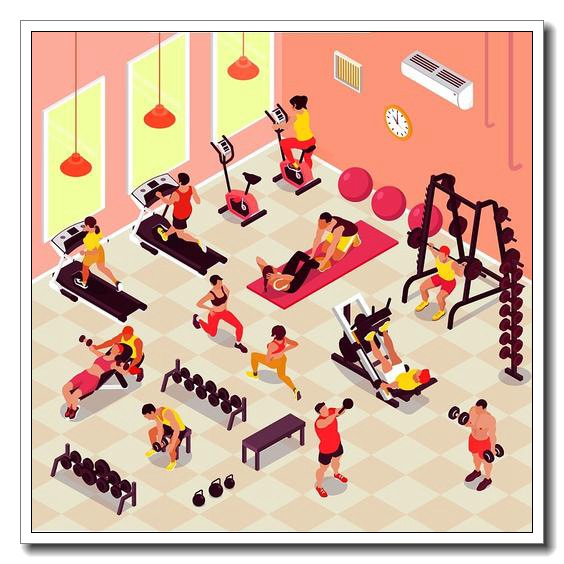
The “Health” (or “Wellness,” “Fitness,” etc.) section of a resume can be a tricky area to navigate. Whether or not to include it, and what to include, depends heavily on your industry, the specific job you’re applying for, and the overall impression you want to convey. This articleaims to provide clarity on when and how to appropriately use this section of your resume.
When to Consider Including a Health Section
In most cases, a dedicated health section isn’t necessary. However, there are specific situations where it can be beneficial:
-
Fitness-Related Industries:
If you’re applying for roles in fitness, wellness, healthcare, or related fields (e.g., personal training, physical therapy, sports medicine, or even positions that heavily emphasize employee wellness), this section can be highly relevant. -
Jobs Requiring Physical Stamina:
For roles requiring significant physical activity (e.g., construction, manual labor, certain types of fieldwork), demonstrating your physical fitness can be advantageous. However, be extremely cautious about how you phrase this (see “What to Include” below). -
Highlighting Relevant Certifications:
If you possess certifications directly related to the job (e.g., first aid, CPR, or specific fitness certifications), they might be best placed here if they don’t fit neatlyinto an existing “Licenses & Certifications” section. -
Company Culture & Emphasis on Wellness:
If the company’s job posting or website explicitly mentions a strong focus on employee wellness or a “healthy lifestyle” culture, you can consider subtly highlightingrelevant aspects of your health and fitness. Exercise caution and make sure it aligns with your application.
What to Include (and What to Avoid)
If you decide to include a health section, the content should be carefully chosen and presented professionally.
-
Acceptable Items:
-
Relevant Certifications:
List certifications such as First Aid, CPR/AED, NASM, ACE, or other recognized credentials. Include the issuing organization and date ofcertification. -
Fitness Activities (Cautiously):
Briefly mention relevant activities like “Regular marathon runner,” “Experienced weightlifter,” or “Active participant in team sports.” Focus on activities that show discipline and dedication. Avoid overly specific details (e.g., yourexact workout routine). -
Wellness Initiatives (If Relevant):
If you’ve consistently led or participated in workplace wellness programs, you could briefly mention that.
-
-
Avoid These:
-
Specific Medical Information:
Never disclose any information about your health conditions or treatments. This is private and can open you up to discrimination. -
Dietary Restrictions or Preferences:
Refrain from listing dietary information unless it’s directly relevant to the job requirements (e.g., a chef specializing in allergy-friendly cooking). -
Self-Diagnoses or Subjective Claims:
Avoid making claims like “I have great stamina” or “I’m a naturally healthy person.” Focus on objective, measurable achievements. -
Weight, Measurements, or Body Composition:
This information is entirely inappropriate and can be seen as discriminatory.
-
Example Health Section
Here’s an example of awell-formatted and professional Health section:
Health & Wellness
- CPR/AED Certified, American Red Cross, 2023
- Regular participant in recreational sports leagues (basketball, volleyball)
- Active memberof local running club.
Conclusion
The health section of your resume is usually best left out entirely, especially if unrelated to your target role. However, when appropriate, it can showcase valuable skills and demonstrate your commitment to a healthy lifestyle. Prioritize professionalism, relevance, and objectivity when determining what to include. Always err on the side of caution and focus on information that supports your candidacy without disclosing sensitive personal details.