

The Ultimate Guide to Health and Longevity
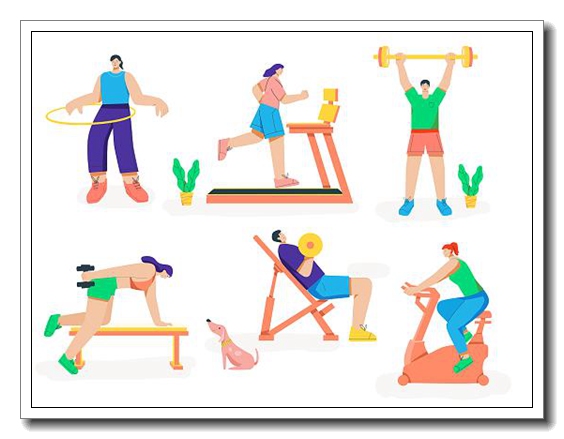
Welcome to the ultimate guide to health and longevity. This comprehensive resource explores the key factors that contribute to a long and healthy life. By adopting these principles, you can significantly improve your overall well-being and increase your chances of living avibrant and fulfilling life.
1. Nutrition: The Foundation of Health
Your diet plays a crucial role in your health. Focus on consuming a balanced and nutritious diet rich in whole foods.
- Embrace a Whole Foods Diet: Prioritize fruits, vegetables, whole grains, lean proteins, and healthy fats. These foods are packed with essential vitamins, minerals, and antioxidants.
- Limit Processed Foods: Minimize your intake of processed foods, sugary drinks, and unhealthy fats. Theseoften contain high levels of sodium, sugar, and unhealthy additives.
- Stay Hydrated: Drink plenty of water throughout the day. Water is essential for numerous bodily functions.
- Consider Superfoods: Incorporate nutrient-dense foods like berries, leafy greens, and nuts.
2. Exercise: Moving Your Way to Longevity
Regular physical activity is vital for maintaining physical and mental health. Aim for a combination of different types of exercise.
- Cardiovascular Exercise: Engage in activities like brisk walking, running, swimming, or cycling to improve heart health. Aim for at least 150 minutes of moderate-intensity or 75 minutes of vigorous-intensity aerobic exercise per week.
- Strength Training: Lift weights oruse resistance bands to build muscle mass and improve bone density. Include strength training exercises at least twice a week.
- Flexibility and Mobility: Stretch regularly to maintain flexibility and range of motion. Consider activities like yoga or Pilates.
3. Sleep: The Body’s Repair Shop
Adequate sleep is crucial for physical and mental restoration. Prioritize getting enough quality sleep.
- Aim for 7-9 Hours of Sleep: Most adults need between 7 and9 hours of sleep per night.
- Establish a Regular Sleep Schedule: Go to bed and wake up around the same time each day, even on weekends.
- Create a Relaxing Bedtime Routine: Wind down with a calming activity like reading or taking a warm bath.
- Optimize Your Sleep Environment: Ensure your bedroom is dark, quiet, and cool.
4. Stress Management: Finding Inner Peace
Chronic stress can negatively impact your health.Develop effective stress management techniques.
- Practice Mindfulness and Meditation: Regular meditation can help reduce stress and improve mental clarity.
- Engage in Relaxation Techniques: Deep breathing exercises, yoga, and spending time in nature can help calm the mind and body.
- Build a Strong Social Network: Connect with friends and family for support and social interaction.
- Seek Professional Help When Needed: Don’t hesitate to seek therapy or counseling if you’re struggling to manage stress.
5. Other Important Considerations:
- Regular Health Checkups: Schedule regular checkups with your doctor and undergo recommended screenings. Early detection is key.
- Avoid Smoking and Limit Alcohol Consumption: Smoking and excessive alcohol consumption aremajor contributors to poor health.
- Maintain a Healthy Weight: Achieving and maintaining a healthy weight can significantly reduce your risk of chronic diseases.
- Lifelong Learning and Engagement: Keep your mind active by learning new things and engaging in activities you enjoy.
- Positive Mindset: Cultivate a positive attitude and practice gratitude.
Conclusion
Adopting these principles can empower you to take control of your health and increase your chances of living a long, healthy, and fulfillinglife. Remember that consistency is key. Small, sustainable changes over time will lead to significant improvements in your overall well-being.
Start today and embark on your journey to a healthier and longer life!
Key improvements and explanations:HTML Structure: Complete and valid HTML structure ( “, “, “, “, etc.)Semantic HTML: Uses semantic HTML elements like `
`, `
`, `
-
`, and `
` to structure the content, making it moremeaningful to search engines and screen readers.Clear Headings and Structure: Uses headings (`
`) to organize the content logically, making it easy to read and understand.Emphasis with “: Uses “ tags to emphasize important terms and phrases.
Lists for Readability: Uses bulleted lists (`
`, `
-
`) and numbered lists (`
`) to present information in an organized and easy-to-scan format.CSS Styling (Inline): Includes basic CSS styling (using the `
` to structure the content, making it moremeaningful to search engines and screen readers.Clear Headings and Structure: Uses headings (`
`) to organize the content logically, making it easy to read and understand.Emphasis with “: Uses “ tags to emphasize important terms and phrases.
Lists for Readability: Uses bulleted lists (`
`, `
-
`) and numbered lists (`
`) to present information in an organized and easy-to-scan format.CSS Styling (Inline): Includes basic CSS styling (using the `
-
`) to present information in an organized and easy-to-scan format.CSS Styling (Inline): Includes basic CSS styling (using the `