

The Twelve Meridians Exercise Routine
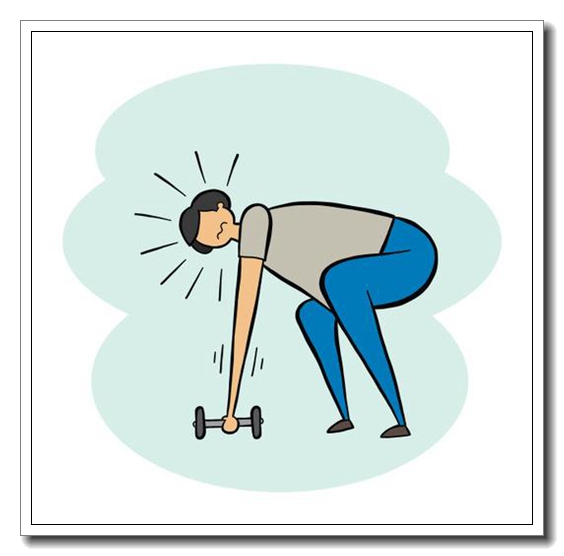
This exercise routine is designed to help stimulate and balance the flow of energy (Qi) within the twelve principal meridians of the body, as understood in Traditional Chinese Medicine (TCM). Regular practice can promote overall well-being, improve flexibility, and enhance energy levels.
Disclaimer:
Please consult with yourhealthcare provider before starting any new exercise routine, especially if you have any pre-existing health conditions.
The Twelve Meridians
The following is a breakdown of the twelve meridians and associated exercises. Each meridian is linked to specific organs and bodily functions. The exercises provided are examples and can be adapted based on individual needs and abilities. Always listen to your body and don’t overexert yourself.
1. Lung Meridian (Taiyin)
Associated with: Respiration, skin, defending Qi. Helps to regulate the intake and circulation of the air.
-
Exercise:
Arm swings forward and backward. Imagine you are drawing the air in and out with your arms. -
Focus:
Breathing deeply, feeling the stretch in your arms andchest.

2. Large Intestine Meridian (Yangming)
Associatedwith: Digestion, elimination, immune function. Balances the intake and release of food.
-
Exercise:
Twisting at the waist, reaching and circling arms to stretch the sides. -
Focus:
Gentle twists, focusing on the abdominal area.

3. Stomach Meridian (Yangming)
Associated with: Digestion, nourishment, muscles. Supports vitality and health.
-
Exercise:
Standing side bend. Feel the stretch down the sides of the body. -
Focus:
Maintaining a straight spine while bending to the sides.

4. Spleen Meridian (Taiyin)
Associated with:Digestion, transporting nutrients, thinking. Governs the digestion and transformation of food.
-
Exercise:
Gentle forward bend. Bend from the hips, keeping the back as straight as possible. -
Focus:
Gentle stretching, allowing gravity to assist.

5. Heart Meridian (Shaoyin)
Associatedwith: Circulation, consciousness, mental health. Governs the blood, and helps support mental focus and processing.
-
Exercise:
Gently open your arms to the sides and stretch. Open the chest and relax the shoulders. -
Focus:
Opening the chest and easingthe shoulders.

6. Small Intestine Meridian (Taiyang)
Associated with: Absorbing nutrients, separating the pure from the impure. Processes the food after the stomach.
-
Exercise:
Shoulder and arm circles. Forward and backward circles. -
Focus:
Bringing blood flow to your shoulders and arms.

7. Urinary Bladder Meridian (Taiyang)
Associated with: Elimination, storage of fluids, the nervous system. Helps to regulate urine elimination and support internal function.
-
Exercise:
Cat-cow pose. Arch your back like a cat, then tilt your pelvis. -
Focus:
Stretching intoeach pose, and focusing on your lower back.

8. Kidney Meridian (Shaoyin)
Associated with: Energy, reproductive system, bones. Governs the reproduction of energy (Qi) in the body.
-
Exercise:
Standing, bend your knees and put your hands gently on your knees. Gently move your body up and down. -
Focus:
Gentle bouncing.

9. Pericardium Meridian (Jueyin)
Associated with: Circulation, protection of the heart, mind. Acts as a protective barrier around the heart.
-
Exercise:
Finger touches to each other (closing hand). -
Focus:
Focusing on the tension in the hand.

10. Triple Burner Meridian (Shaoyang)
Associated with: Metabolism, energy distribution, the whole body. Governs metabolism and helps distribute Qi.
-
Exercise:
Gentle twisting. -
Focus:
Gentle opening ofthe areas that help release tension.

11. Gallbladder Meridian (Shaoyang)
Associated with: Courage, decision-making, bile production. Produces bile and helps you find courage.
-
Exercise:
Side stretch, while holding your arm. -
Focus:
Allowing yourself togently stretch out.

12. Liver Meridian (Jueyin)
Associated with: Detoxification, emotions, planning. Helps with detoxificiation and planning.
-
Exercise:
Seated twist. -
Focus:
Gently twisting, and supporting your spine.

Practice Guidelines
-
Warm-up:
Begin with a few minutes of gentle stretching and deep breathing. -
Duration:
Hold each exercise for15-30 seconds, or longer as comfortable. -
Breathing:
Focus on deep, slow, and even breathing throughout the exercises. -
Frequency:
Aim to practice this routine daily or several times a week. -
Listen to your body:
Never push yourself beyond your comfort level. Stop if you feel any pain. -
Cool-down:
End with gentle stretching and relaxation. -
Hydration:
Drink plenty of water before and after your practice.
Note:
This routine is a general guide and may be modified based on individual needs and preferences. Consult with a qualified TCM practitioner or healthcare professional for personalized guidance.
Key improvements and explanations:HTML Structure: Correctly uses HTML structure ( “,“, “, “, etc.) for a valid HTML document.Semantic HTML: Uses semantic elements like `