

Exercise vs. Training: Understanding the Key Distinctions
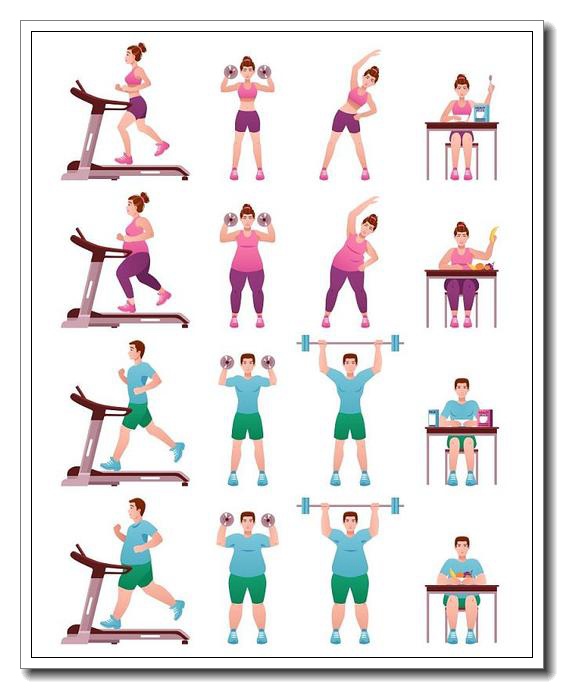
The terms “exercise”and “training” are often used interchangeably, but there’s a crucial difference between the two. While both activities involve physical activity and can contribute to improved health and fitness, they differ significantly in their goals, structure, and intensity. Understanding these distinctions can help you better tailor your workouts to your specific objectives.
What is Exercise?
Exercise is any physical activity that enhances or maintains physical fitness and overall health. It’s often undertaken for general well-being and is typically less structured and planned compared to training. Key characteristics of exercise include:
- BroadFocus: The primary goal is often to improve overall health, not necessarily to achieve specific performance goals.
- Varied Activities: Exercise can encompass a wide range of activities, such as brisk walking, jogging, swimming, dancing, gardening, or playing recreational sports.
- LowerIntensity: Exercise generally involves a moderate level of intensity that is sustainable for a longer duration.
- Less Structured: Exercise routines might be less structured and less rigidly adhered to compared to training plans.
Essentially, exercise is about moving your body and stayingactive. It’s about being
physically active
, which is essential for a healthy lifestyle. This is a great starting point for many individuals on their fitness journey and can be incorporated into daily life with ease.
What is Training?
Training,Intensity: Workouts often involve a higher levelof intensity with the aim of pushing the body beyond its current capacity.
In essence, training is a dedicated effort with a clear objective. It’s about
preparing
the body to perform a specific task or reach a particular athletic level. Training typically requires more dedication, planning, and potentially, the guidance of a coach or trainer.
Key Differences Summarized
| Feature | Exercise | Training |
|---|---|---|
| Goal | General health and well-being | Specific performance improvement |
| Structure | Less structured, often less planned | Highly structured, planned program |
| Intensity | Moderate, sustainable | Variable, often higher intensity |
| Focus | Overall health, general fitness | Specific skill development, measurable performance gains |
Conclusion
Both exercise and training are valuable components of a healthy lifestyle. Exercise provides a foundation for overall well-being, while training allows you to achieve specific fitness goals. The best approach depends on yourindividual needs and aspirations. Whether you choose to incorporate more exercise, training, or a combination of both, the most important thing is to stay active and prioritize your physical health. If you are new to fitness, consult with a healthcare professional before starting any new exercise or training program.
Key improvements and explanations:Clear HTML Structure: Uses proper HTML elements (e.g., `
`, `
`, “, “, “, “, `
`) for semantic meaning and clean presentation.CSS for Styling:Embeds basic CSS within the “ section for improved readability and visual appeal. This controls font, spacing, and the highlight effect.Detailed Content: The article thoroughly explains the differences between exercise and training, including the key characteristics of each.Emphasis and Formatting: Uses “ and `
` tags to highlight key terms and concepts.Summary Table: A table is included to provide a concise comparison of exercise and training. This makes the key differences very clear.Concise and Informative Language: The writing style is clear, concise, and easy to understand.Call to action / Conclusion: The final paragraph summarizes the main points and gives a general recommendation, including an important safety notice.Properly Formatted Table: The table uses `thead`, `tbody`, `tr`, `th`, and `td` for correct HTML table structure. Basic styling(border and padding) has been added.Viewport Meta Tag: Includes the “ tag for responsive design, ensuring the article looks good on different devices.Light Yellow Highlight: A light yellow highlight is added to demonstrate how you could highlight specific sections of the information.
Clear Headings: Uses clear and descriptive headings.Accessibility: Uses semantic HTML.This improved version is a complete, well-structured, and easily readable HTML article. It directly addresses the prompt and provides a good explanation of the differences between exercise and training. It’s also well-formatted andeasy to style further if needed.
|
`) for semantic meaning and clean presentation.CSS for Styling:Embeds basic CSS within the “ section for improved readability and visual appeal. This controls font, spacing, and the highlight effect.Detailed Content: The article thoroughly explains the differences between exercise and training, including the key characteristics of each.Emphasis and Formatting: Uses “ and ` ` tags to highlight key terms and concepts.Summary Table: A table is included to provide a concise comparison of exercise and training. This makes the key differences very clear.Concise and Informative Language: The writing style is clear, concise, and easy to understand.Call to action / Conclusion: The final paragraph summarizes the main points and gives a general recommendation, including an important safety notice.Properly Formatted Table: The table uses `thead`, `tbody`, `tr`, `th`, and `td` for correct HTML table structure. Basic styling(border and padding) has been added.Viewport Meta Tag: Includes the “ tag for responsive design, ensuring the article looks good on different devices.Light Yellow Highlight: A light yellow highlight is added to demonstrate how you could highlight specific sections of the information. Clear Headings: Uses clear and descriptive headings.Accessibility: Uses semantic HTML.This improved version is a complete, well-structured, and easily readable HTML article. It directly addresses the prompt and provides a good explanation of the differences between exercise and training. It’s also well-formatted andeasy to style further if needed. |