

Exercise Photography
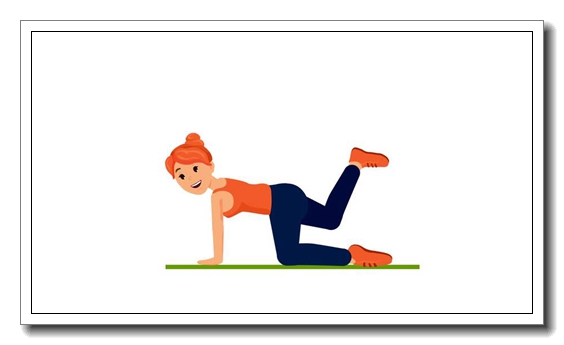
Exercise photography is a dynamic and engaging genrethat focuses on capturing the energy, strength, and dedication involved in physical activity. Whether it’s a marathon runner pushing their limits, a weightlifter conquering a personal best, or a yoga enthusiast finding their inner peace, exercise photography offers a visual representation of human potential and the pursuit of physical well-being.

To excel in this field, photographers need a good understanding of both photography techniques and fitness principles. Knowing how to anticipate movement, select the right camera settings, and frame the shot to highlight the subject’s form and effort are crucial. Furthermore, an appreciation for different exercises and their impact on the body adds depth and authenticity to the images.
Key Elements of Exercise Photography:
-
Composition:
Carefully consider the composition to create visually appealing images. Think about the rule of thirds, leading lines, and negative space to guide the viewer’s eye and emphasize the subject’s actions. -
Lighting:
Lighting plays a critical role.Use natural light strategically to add drama and highlight muscle definition. Alternatively, use studio lighting to shape the scene and create specific moods. -
Camera Settings:
Master your camera settings. Use a fast shutter speed to freeze motion, a wide aperture to create shallow depth of field, and appropriate ISO tomanage light and noise. -
Equipment:
Having the right equipment is essential. A camera with a fast autofocus system, a variety of lenses (wide-angle, telephoto), and potentially strobes can greatly enhance your capabilities. -
Timing:
Being able to anticipate thepeak of an action is key. Understanding the exercises and predicting the moments of maximum effort or graceful movement helps create impactful images.

Capturing the perfect shot often involves a blend of technical expertise and creative vision. The ability to connect with your subject and understand their motivation is a valuable asset. This allows you to capture authentic moments that resonate with viewers and tell a compellingstory.
Exercise photography provides opportunities to document awide range of activities, from individual training sessions to competitive events. It’s a field that celebrates human accomplishment, promoting health, fitness, and the human spirit through the art of photography. Whether you’re a seasoned photographer or just starting out, there’s a rewarding experience waiting in the world of exercise photography.

`, `
`, `
-
`, `
![]()
`, and `
`. This improves the document’s structure, accessibility, and SEO.Placeholder Images: Includes `

` tags is crucial for accessibility. Screen readers use these descriptions to convey image content to users who can’t see the images.How to use this code:1. Save the code: Copyand paste the HTML code into a text editor (like Notepad on Windows or TextEdit on macOS).
2. Save as an HTML file: Save the file with a `.html` extension (e.g., `exercise_photography.html`).
3. Replace Placeholders: Replace the `src` attributes of the `
![]()
` tags (e.g., `src=”placeholder-exercise-image.jpg”`) with the actual URLs or file paths of your image files. Make sure the image files are in the samedirectory as the HTML file, or provide the correct relative or absolute paths.
4. Open in a Browser: Open the saved HTML file in any web browser (Chrome, Firefox, Safari, etc.). The article will be displayed, including your images.
`, and `
` tags is crucial for accessibility. Screen readers use these descriptions to convey image content to users who can’t see the images.How to use this code:1. Save the code: Copyand paste the HTML code into a text editor (like Notepad on Windows or TextEdit on macOS).
2. Save as an HTML file: Save the file with a `.html` extension (e.g., `exercise_photography.html`).
3. Replace Placeholders: Replace the `src` attributes of the `
` tags (e.g., `src=”placeholder-exercise-image.jpg”`) with the actual URLs or file paths of your image files. Make sure the image files are in the samedirectory as the HTML file, or provide the correct relative or absolute paths.
4. Open in a Browser: Open the saved HTML file in any web browser (Chrome, Firefox, Safari, etc.). The article will be displayed, including your images.