

Essential English Vocabulary for Health
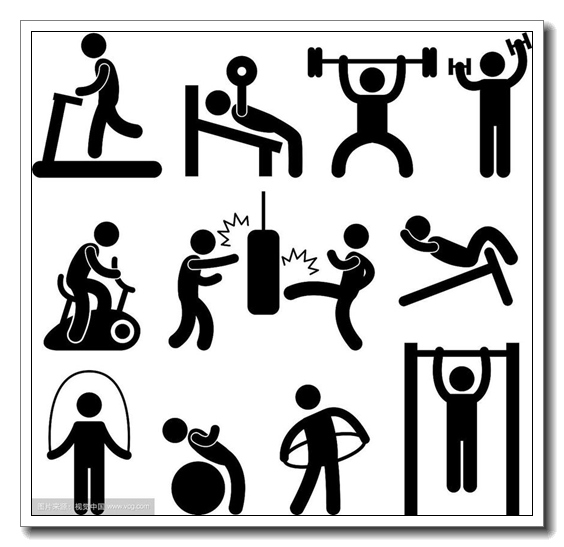
Understanding and communicating about health is crucial in various situations, from doctor’s visits to everyday conversations. This article provides a valuable list of essential English vocabulary related to health, categorized for easier learning and memorization.
General Health & Well-being
-
Health:
The state of being free from illness or injury. -
Well-being:
The state of being comfortable,healthy, or happy. -
Healthy:
In good health; not ill. -
Illness:
A disease or period of sickness affecting the body or mind. -
Disease:
A disorder of structure or function in a human, animal, or plant,especially one that produces specific signs or symptoms or that affects a specific location. -
Symptom:
A physical or mental feature that is regarded as indicating a condition of disease. -
Diagnosis:
The identification of the nature of an illness or other problem by examination of the symptoms. -
Treatment:
The process of dealing with or preventing a disease or condition. -
Recovery:
The action or process of regaining possession or control of something. -
Prevention:
The action of stopping something from happening or arising.
Any of the pieces of hard, whitish tissue making up the skeleton in humans and other vertebrates.
Blood:
The red fluid that circulates in the arteries and veins of animals, carrying oxygen to and carbon dioxide from the tissues of the body.
Heart:
A hollowof a human or other animal.
Common Ailments & Conditions
-
Cold:
A common viral infection of the upper respiratory tract. -
Flu (Influenza):
A common infectious illness caused by influenza viruses. -
Fever:
A temporary increase in body temperature, often due to illness. -
Pain:
Physical suffering or discomfort caused by illness or injury. -
Headache:
A continuous ache in the head. -
Cough:
Expel air from the lungs suddenly with a harsh noise. -
Sore throat:
A painful throat. -
Rash:
An area of inflamed skin. -
Allergy:
A condition in which a person’s immune system reacts to substances in the environment that are harmless to most people. -
Diabetes:
A disease in which the body’s ability to produce or respond to the hormone insulin is impaired, resulting in abnormal metabolism of carbohydrates and elevated levels of glucose in theblood.
Medical Professionals & Places
-
Doctor (Physician):
A person licensed to practice medicine. -
Nurse:
A person trained to care for the sick or infirm. -
Hospital:
An institution providing medical and surgical treatment. -
Clinic:
A place where people go to receive medical treatment or advice. -
Pharmacy (Chemist):
A shop where medicines are dispensed. -
Surgery (Operation):
The treatment of injuries or disorders of the body by incision or manipulation, especially with instruments. -
Appointment:
An arrangement to meet someone at a particular time and place. -
Examination:
A detailed inspection or investigation.
Other Important Vocabulary
-
Medicine (Medication):
A substance used for treating illness or injury. -
Prescription:
Aninstruction written by a medical practitioner that authorizes a patient to be provided with a medicine or treatment. -
Exercise:
Activity requiring physical effort, carried out to sustain or improve health and fitness. -
Diet:
The kinds of food that a person, animal, or community habitually eats. -
Nutrition:
The process of providing or obtaining the food necessary for health and growth. -
Vaccine:
A substance used to stimulate the production of antibodies and provide immunity against one or several diseases, prepared from the causative agent of a disease or a synthetic substitute. -
Recover:
Return to a normal state of health, mind, or strength.
This is not an exhaustive list, but a starting point for building your health vocabulary. Continue to learn new words and practice using them in context to improve your understanding andcommunication skills.