

Energize Your Life: Exercise for Middle-Aged Adults
The middle years are often a time of significant change, with careers, families, and health all demanding attention. While it can be tempting to prioritize other aspects of life, incorporating regular exercise is crucial for maintaining both physical and mental well-being.This article provides guidance and motivation for middle-aged adults to embrace a more active lifestyle.
Why Exercise Matters at This Stage of Life
As we age, our bodies undergo natural changes. Musclemass decreases, bone density can decline, and metabolism slows down. Regular exercise can help counter these effects. The benefits extend far beyond physical fitness:
- Improved cardiovascular health: Reduces the risk of heart disease, stroke, and high blood pressure.
- Enhanced bone density: Strengthens bones and helps prevent osteoporosis.
- Increased muscle mass and strength: Improves mobility, balance, and overall physical function.
- Weight management: Helps burn calories and maintain a healthy weight.
- Mental health benefits: Reduces stress, anxiety, and symptoms of depression. Exercise releases endorphins, which have mood-boosting effects.
- Improved sleep quality: Promotes better sleep patterns.
- Boosted energy levels: Combats fatigue and increases overall vitality.
Types of Exercise for Middle-Aged Adults
A well-rounded exercise program includes a variety of activities:
-
major muscle groups.
- Examples: Lifting weights, using resistance bands, bodyweight exercises (push-ups, squats, lunges).
-
Flexibility and Balance Exercises: Improves range of motion and reduces the risk of falls.
- Examples: Yoga, Pilates, stretching exercises. Balance exercises, such as standing on one leg.
Getting Started and Staying Motivated
Startinga new exercise routine can be daunting, but it doesn’t have to be. Here’s how to get started and stay motivated:
- Consult your doctor: Before starting any new exercise program, especially if you have underlying health conditions.
- Start slowly: Gradually increase the intensity and duration of your workouts.
- Set realistic goals: Don’t try to do too much too soon. Focus on progress, not perfection.
- Find activities you enjoy: Chooseexercises you find fun and engaging to make it more likely you’ll stick with them.
- Schedule your workouts: Treat exercise like an important appointment. Put it in your calendar.
- Find an exercise buddy: Working out with a friend can provide support and accountability.
- Track your progress: Use a journal, app, or fitness tracker to monitor your workouts and celebrate your successes.
- Listen to your body: Rest when you need to and don’t push yourself too hard. Pay attention to any pain.

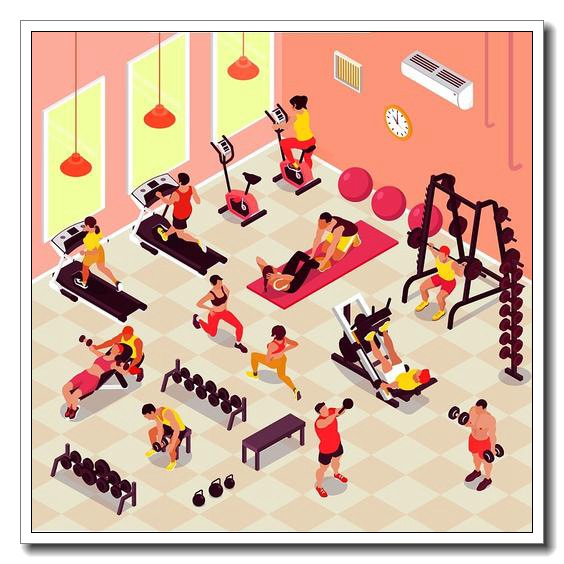
Image: A placeholder image for demonstration purposes. Replace with a relevant image of people exercising.
Conclusion
Embracing exercise as a regular part of your life can significantly improve your health, well-being,and overall quality of life during your middle years and beyond. By following these guidelines and making exercise a priority, you can energize your life and reap the numerous benefits of an active lifestyle. Take the first step today!
Key improvements and explanations:HTML Structure: Uses proper HTML5 structure, including “, “, “, and “ tags. Includes `lang=”en”` for better accessibility.Heading Hierarchy: Uses `
` for the main title and `
` for subheadings, providinga clear structure for the content.Semantic Structure: Uses `
` for paragraphs, `
-
` and `
-
` for list items, making the content more readable and accessible. The use of `
` with `class=”section”` helps with organization and potentialstyling.Clear Content Organization: The content is logically organized into sections with clear headings and subheadings, making it easy to scan and read.Emphasis and Highlighting: Uses `
` to emphasize key information (e.g., exercise recommendations), which is styledwith a prominent color.Images (Placeholder): Includes an `
` tag with a placeholder image (`placeholder-image.jpg`). This is very important; replace this with an actual image or specify an image URL. The `alt` attribute provides alternative text for accessibility. Styling is added to help center the image and control its size.Styling (CSS): Basic CSS styling is included within the `
-
` for lists, and `