

Decoding 锻炼: The English Translation Revealed
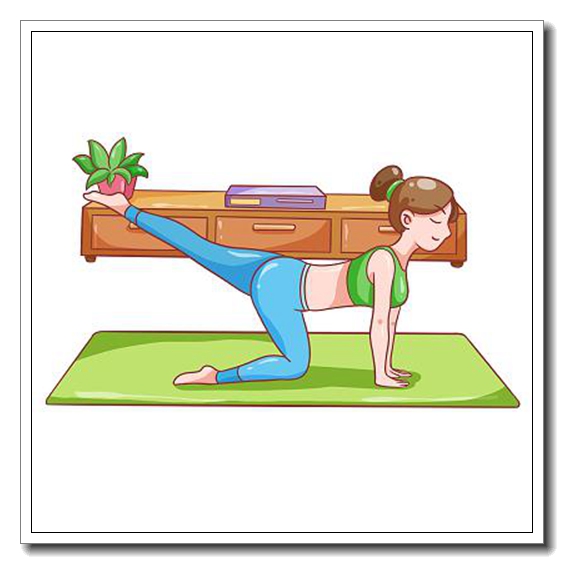
In the vibrant tapestry of the Chinese language, even seemingly simple words can hold a wealth of meaning. Today, we’ll delve into the translation and nuanced understanding of one such word:
锻炼
(duànliàn).
The Core Meaning: Exercise & Training
The most straightforward and widely accepted English translation of 锻炼 is
exercise
, and sometimes
training
. It encompasses a wide range of physical activities aimed at improving strength, fitness, and overall well-being. Think of it as the general term for working out, similar to how we use “exercise” in English.
Here are some examples:
我每天都
锻炼
(Wǒ měitiān dōu
duànliàn
) – I
exercise
every day.
他正在
锻炼
他的肌肉 (Tā zhèngzài
duànliàn
tā de jīròu) – He is
training
his muscles.
Beyond the Physical: Cultivating Abilities
The beauty of 锻炼, however, extends beyond mere physical activity. It can also imply the act of developing or honing any skill or ability, whether mental or physical. It suggests a process of intentionalpractice and refinement.
Consider these examples highlighting the broader application:
他正在
锻炼
他的演讲技巧 (Tā zhèngzài
duànliàn
tā de yǎnjiǎng jìqiǎo) – He is
practicing
his public speaking skills (literally: He is
training
his speech skills).
我们需要
锻炼
我们的团队合作能力 (Wǒmen xūyào
duànliàn
wǒmen de tuánduì hézuò nénglì) – We need to
develop
our teamwork abilities (literally: We needto
train
our teamwork abilities).
Key Takeaways
-
锻炼
primarily translates to
exercise
and
training
. - It can alsoencompass the development and improvement of skills and abilities, both physical and mental.
- Understanding the broader context is key to accurately interpreting the intended meaning.
So, the next time you encounter 锻炼, remember its multifaceted nature. It’s more than just a workout; it’s a journey of improvement and growth!