

Translational Kinematics of the Human Form: Velocity, Acceleration, and Inertia in Action
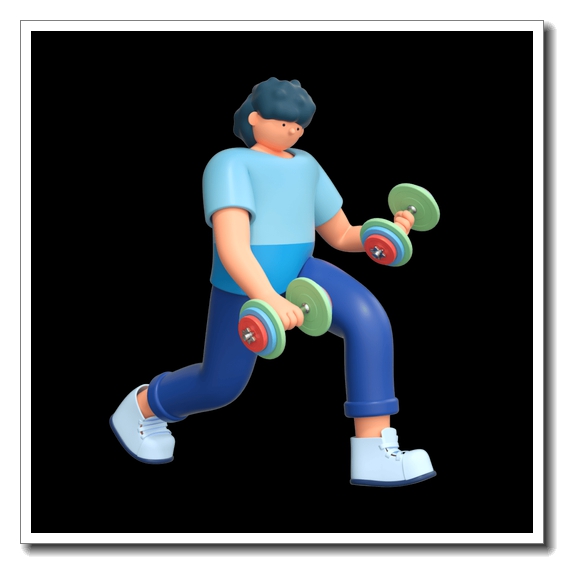
Translational kinematics, a fundamental branch of biomechanics, provides a framework for understanding how the human body moves through space. When analyzing the motion of the human form, key physical quantities—velocity, acceleration, and inertia—play pivotal roles in describing both everyday activities and high-performance athletic movements. Velocity, defined as the rate of change of position with respect to time, characterizes how quickly and in what direction a person is moving. Whether walking across a room or sprinting down a track, velocity captures the essence of directional motion. Acceleration, the rate at which velocity changes over time, becomes particularly significant during actions involving starts, stops, or changes in speed—such as jumping, braking while running, or altering stride on uneven terrain. It reflects the dynamic forces acting upon the body, often originating from muscular contractions or external interactions like ground reaction forces.
Inertia, rooted in Newton’s First Law of Motion, describes an object’s resistance to changes in its state of motion. For the human body, inertia depends on mass distribution and posture; a crouched runner has different inertial properties than one standing upright. This principle influences how efficiently force can be applied to initiate or halt movement. The interplay between these three elements—velocity, acceleration, and inertia—shapes the efficiency, stability, and control of human locomotion. Understanding their roles enables advancements in sports science, rehabilitation, ergonomic design, and even robotics inspired by human movement. By examining translational kinematics in action, researchers and practitioners gain insight into optimizing performance, preventing injury, and enhancing mobility across diverse populations.