

The Complete List of Exercise Vocabulary in English with Proper Spelling and Definitions
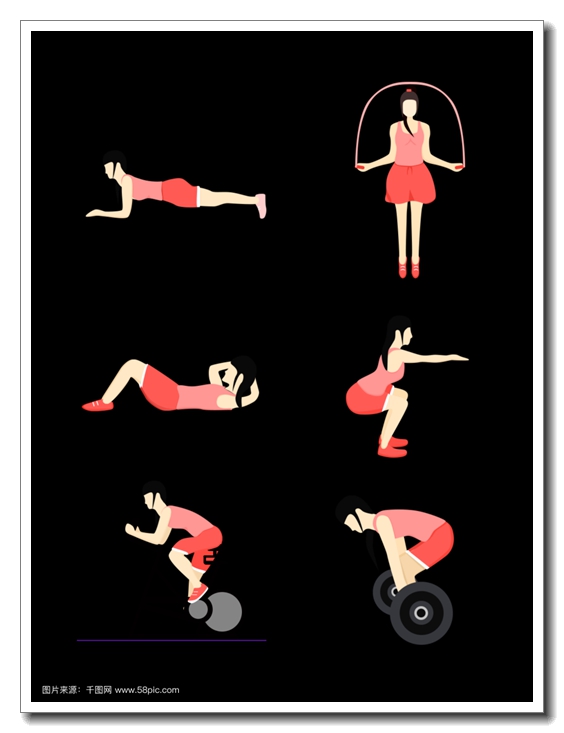
The Complete List of Exercise Vocabulary in English with Proper Spelling and Definitions
is an essential resource for fitness enthusiasts, language learners, and health professionals alike. Whether you’re starting a new workout routine, teaching an exercise class, or improving your English vocabulary, understanding the correct terms used in physical activity is crucial. This comprehensive guide provides accurate spellings and clear definitions of common and advanced exercise-related words to help you communicate effectively about fitness.
Aerobic Exercise:
Any physical activity that uses large muscle groups, can be maintained continuously, and is rhythmic in nature—such as running, swimming, or cycling—aimed at improving cardiovascular endurance.
Anaerobic Exercise:
High-intensity activities performed in short bursts where the body’s demand for oxygen exceeds the supply, such as sprinting or weightlifting.
Repetition (Rep):
A single completion of an exercise movement, such as one bicep curl or one push-up.
Set:
A group of consecutive repetitions of an exercise followed by a rest period; for example, 3 sets of 10 reps means performing the exercise 10 times, resting, and repeating this cycle three times.
Warm-Up:
Light physical activity performed before exercise to gradually increase heart rate, circulation, and muscle temperature, reducing the risk of injury.
Cool-Down:
Gentle exercises and stretching done after a workout to help the body transition back to a resting state and reduce muscle soreness.
Flexibility:
The ability of a joint or series of joints to move through an unrestricted, pain-free range of motion; often improved through stretching exercises.
Stretching:
Exercises designed to lengthen muscles and improve flexibility, commonly performed before or after workouts.
Strength Training:
Exercise focused on building muscle strength and endurance using resistance, such as free weights, machines, or body weight.
Cardiovascular Fitness:
The efficiency of the heart, lungs, and circulatory system in supplying oxygen during sustained physical activity.
Endurance:
The ability to sustain physical activity over time, also known as stamina; includes both muscular and cardiovascular endurance.
Resistance:
The force that muscles work against during exercise, which can come from weights, resistance bands, or body weight.
Core:
The central region of the body including abdominal, lower back, and pelvic muscles; core strength is vital for balance and stability.
HIIT (High-Intensity Interval Training):
A training technique alternating short bursts of intense anaerobic exercise with less intense recovery periods, effective for burning calories and improving fitness quickly.
Agility:
The ability to change direction quickly and efficiently while maintaining control, important in sports and dynamic workouts.
BMI (Body Mass Index):
A numerical value derived from a person’s weight and height, used as a general indicator of body fat and health risk.
Recovery:
The period after exercise when the body repairs itself and grows stronger; includes rest, hydration, nutrition, and sleep.
Overtraining:
Exercising too much without adequate rest, leading to fatigue, decreased performance, and increased risk of injury.
Form:
The correct technique or posture used when performing an exercise to maximize effectiveness and minimize injury risk.
Circuit Training:
A structured workout that involves moving through a series of exercises with minimal rest, targeting different muscle groups in sequence.
Mastery of these terms not only enhances communication in fitness settings but also empowers individuals to follow routines accurately and safely. Whether reading a workout plan, attending a gym class, or discussing progress with a trainer, knowing the proper vocabulary ensures clarity and confidence. Keep this list handy as a reference to build both your fitness knowledge and English language skills.