

From the Gym to Grammar: How Staying Active Supports English Vocabulary Development
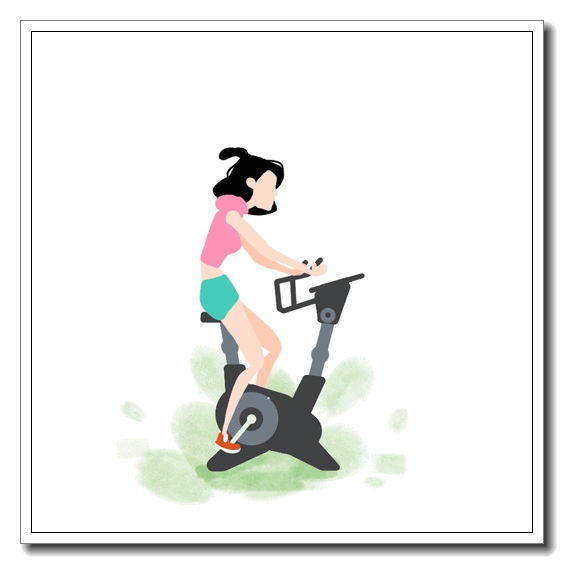
From the gym to grammar, the connection between physical activity and cognitive function might seem unexpected—but mounting research suggests that staying active plays a powerful role in language learning, particularly in English vocabulary development. While hitting the books is essential for mastering new words, lacing up your sneakers may be just as important. Exercise increases blood flow to the brain, stimulates the growth of new neurons, and enhances memory retention—all critical components when absorbing and recalling unfamiliar vocabulary.
When you engage in regular physical activity, such as running, cycling, or strength training, your brain releases endorphins and other neurochemicals that improve mood and mental clarity. This heightened state of alertness creates an ideal environment for learning. For English learners, this means better focus during study sessions and improved ability to remember complex word meanings, idioms, and usage patterns. Moreover, aerobic exercise has been linked to increased hippocampal volume—the part of the brain associated with long-term memory—making it easier to store and retrieve new vocabulary over time.
Integrating movement into language practice can also reinforce learning. For example, repeating vocabulary aloud while walking or using gestures to act out new words helps create multisensory associations, which strengthens neural pathways. Group fitness classes or language exchange meetups that combine conversation with light activity offer social and cognitive benefits, making vocabulary acquisition more engaging and less intimidating.
Even short bursts of exercise before studying can boost performance. A 20-minute session of moderate activity can sharpen attention and prepare the mind for absorbing new material. Students who incorporate movement into their daily routine often report feeling more motivated and less anxious about language challenges.
In essence, the path to mastering English vocabulary doesn’t have to be confined to flashcards and textbooks. By embracing an active lifestyle, learners unlock a natural cognitive advantage—one that bridges the gap between physical wellness and linguistic success. So next time you’re struggling to memorize phrasal verbs or pronounce tricky words, consider taking a jog first. Your brain—and your vocabulary—will thank you.