

Fitness Meets Fluency: Creative Methods to Practice Writing English Nouns and Verbs While Working Out
Fitness Meets Fluency: Creative Methods to Practice Writing English Nouns and Verbs While Working Out
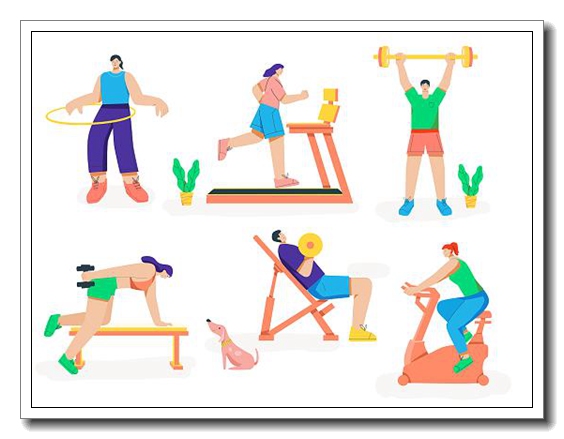
Combining physical wellness with language learning might sound like a stretch, but the synergy between fitness and fluency is more natural than you think. As you break a sweat on the treadmill or power through a set of squats, your mind doesn’t have to stay idle—especially if you’re learning English. By creatively integrating writing practice for English nouns and verbs into your workout routine, you can strengthen both your body and your vocabulary at the same time. Here are several innovative methods to make this fusion not only possible but enjoyable. Start by preparing flashcards labeled with common English action verbs—run, jump, lift, stretch, push, pull—and pair each movement in your workout with its corresponding verb. For instance, during a jumping jack session, repeat “jump” aloud and visualize spelling it out in your mind. After your set, grab a small notebook or use a voice-to-text app to write sentences like, “I just did 20 jumps.” This reinforces muscle memory both physically and linguistically. Another effective technique is the “Sentence Rep Scheme.” Assign a different noun or verb to each exercise station. At the squat rack, focus on strength-related nouns: barbell, muscle, repetition. After completing your reps, jot down three short sentences using those words: “The barbell felt heavy today. My muscles worked hard. Each repetition built endurance.” This active recall strengthens neural pathways associated with both motor skills and language retention. For runners or cyclists, try mental storytelling while in motion. As you jog around the park, construct a narrative in your head using target verbs and nouns: “The runner races past trees. Birds fly above. Wind pushes against her face.” Once you’ve finished your run, stop briefly to transcribe key sentences. The physical rhythm of running often mirrors the cadence of language, making this an ideal time for linguistic creativity. Yoga practitioners can benefit too. During each pose, name the body parts (nouns) involved—arm, spine, foot, balance—and the actions (verbs) required—bend, hold, breathe, align. In your post-yoga journal, write reflections such as: “I held the downward dog pose. My arms supported my weight. I breathed deeply to stay balanced.” This mindful integration deepens both bodily awareness and vocabulary mastery. Technology can also enhance this dual-learning approach. Use fitness trackers or smartwatches to set interval reminders prompting quick writing challenges. Every 10 minutes, pause to write five new verbs related to movement or health. Apps like Grammarly or language-learning platforms can provide instant feedback when you review your entries later. Ultimately, merging fitness with English writing practice turns routine workouts into dynamic, brain-boosting sessions. By associating physical effort with linguistic output, learners create strong contextual links that improve retention and confidence. So next time you hit the gym or step onto the trail, bring your vocabulary with you—your body and your English will thank you.