

Enhance Your Language Skills: Practical English Terms for the Body, Movement, and Physical Conditions
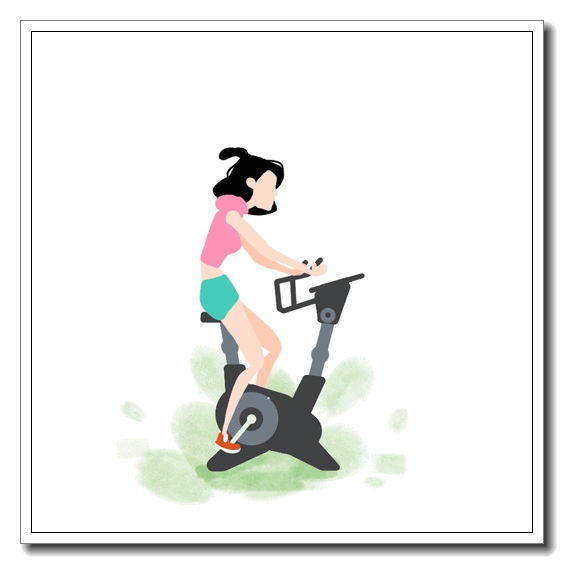
Improving your English proficiency involves more than memorizing vocabulary—it’s about learning words you can use in real-life situations. One practical area to focus on is language related to the body, movement, and physical conditions. Whether you’re describing an injury, following fitness instructions, or simply talking about how you feel, mastering these terms can significantly boost your communication skills. This article introduces essential English vocabulary grouped into three key categories: body parts, movement verbs, and expressions for physical conditions.
Let’s start with common body parts. Knowing precise terms helps you describe pain, discomfort, or actions accurately. Key terms include
shoulder
,
elbow
,
wrist
,
hip
,
knee
,
ankle
,
temple
,
jaw
, and
spine
. Instead of saying “my arm hurts,” you can specify “I have pain in my wrist.” This clarity improves understanding, especially in medical or fitness contexts.
Next, let’s explore movement-related verbs. These are useful when discussing exercise, daily activities, or giving directions. Verbs like
stretch
,
bend
,
lift
,
twist
,
balance
,
jog
,
climb
, and
crouch
allow you to express physical actions precisely. For example, “Remember to stretch before you jog” or “Keep your back straight when you lift heavy objects.” Using such verbs correctly makes your speech more natural and effective.
Finally, being able to describe physical conditions is crucial for expressing health concerns or daily well-being. Useful phrases include “I feel dizzy,” “My back is stiff,” “I have a headache,” “I’m out of breath,” or “My knee is swollen.” You can also use adjectives like
sore
,
numb
,
weak
,
aching
, and
fatigued
to add detail. For instance, instead of just saying “I don’t feel well,” try “I’ve been feeling fatigued and my neck is sore.” This level of specificity helps others understand your condition better.
Practicing these terms in context—through conversations, role-plays, or journaling about your day—can deepen your retention and confidence. Try labeling parts of your body while exercising, narrating your movements aloud, or describing how you feel each morning using these new words. Over time, this focused practice will enhance both your vocabulary and fluency.
By integrating practical English terms for the body, movement, and physical conditions into your daily language routine, you’ll not only communicate more clearly but also gain greater independence in healthcare, fitness, and social settings. Start small, stay consistent, and watch your language skills grow—one body part at a time.