

The Interconnected Web of Health: How Sleep, Stress, and Movement Influence Each Other
The Interconnected Web of Health: How Sleep, Stress, and Movement Influence Each Other
In today’s fast-paced world, health is often viewed through a fragmented lens—diet here, exercise there, maybe the occasional mindfulness app. But true well-being emerges not from isolated habits, but from the dynamic interplay between key lifestyle factors. Among these, sleep, stress, and physical movement form a powerful triad, each influencing and being influenced by the others in a delicate, ongoing balance.
Sleep is more than just rest—it’s a foundational pillar of physiological repair and cognitive function. When we sleep, our bodies regulate hormones, consolidate memories, and restore energy. However, poor sleep doesn’t occur in a vacuum. Chronic stress floods the body with cortisol, a hormone that can disrupt the natural sleep-wake cycle. Even mild anxiety or overstimulation from digital devices can delay the onset of sleep, reducing both its quality and duration. Over time, sleep deprivation amplifies stress sensitivity, creating a self-perpetuating loop that undermines mental clarity and emotional resilience.
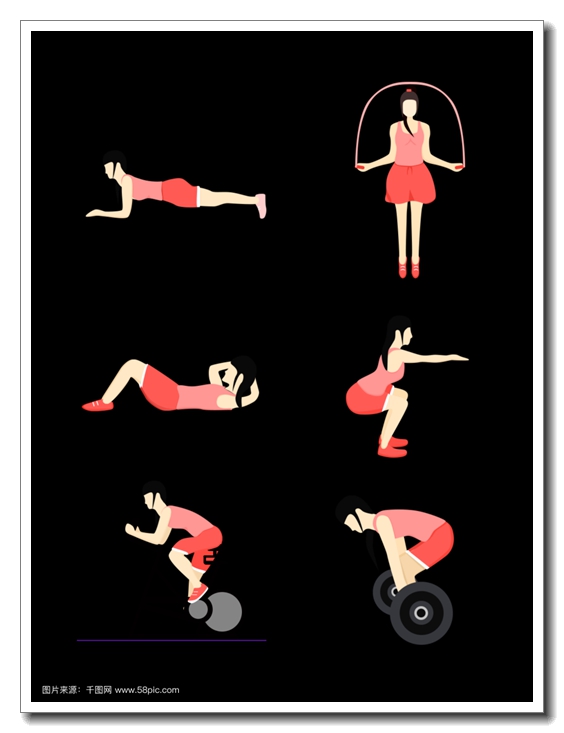
Conversely, regular physical movement acts as a powerful modulator within this system. Exercise has been shown to reduce levels of stress hormones like cortisol while boosting endorphins and serotonin—neurochemicals linked to improved mood and relaxation. Moreover, physical activity helps regulate circadian rhythms, making it easier to fall asleep and stay asleep. Whether it’s a brisk walk, yoga, or strength training, movement signals to the body that it’s time to expend energy during the day and recover at night.
But the relationship isn’t one-way. Just as movement enhances sleep and reduces stress, adequate sleep improves physical performance and motivation to be active. A well-rested individual is more likely to engage in consistent exercise, whereas fatigue from poor sleep can lead to sedentary behavior, which in turn exacerbates stress and further degrades sleep quality. This feedback loop underscores how fragile the balance can be—and how easily one disrupted element can cascade into broader health challenges.
The good news is that small, intentional changes in one area can positively ripple through the entire system. Prioritizing a consistent bedtime routine may lower stress and increase energy for daily movement. Similarly, incorporating even 20 minutes of moderate exercise can improve sleep onset and deepen restorative sleep stages. Mindfulness practices such as meditation or deep breathing can simultaneously reduce perceived stress and enhance sleep quality, indirectly encouraging more active days.
In essence, health is not a checklist but an ecosystem. Sleep, stress, and movement are threads woven tightly together, each supporting and shaping the others. By recognizing their interconnectedness, we move beyond quick fixes and embrace a holistic approach—one where nurturing one aspect naturally uplifts the whole. The path to lasting well-being begins not with perfection in any single domain, but with awareness of the web that binds them all.