

The Function of the Spine in Supporting the Body and Protecting the Central Nervous System
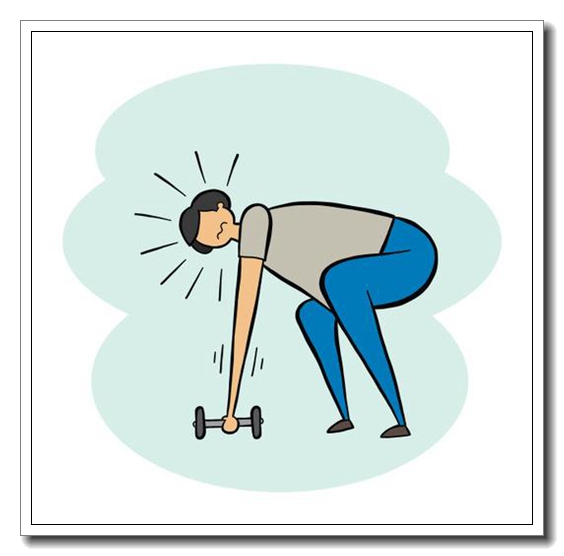
The spine, also known as the vertebral column or backbone, plays a vital role in supporting the human body and safeguarding the central nervous system. Structurally, it provides a strong yet flexible framework that enables upright posture, facilitates movement, and bears the weight of the head, torso, and upper limbs. Composed of 33 individual vertebrae divided into five regions—cervical, thoracic, lumbar, sacral, and coccygeal—the spine maintains balance while allowing a wide range of motion such as bending, twisting, and extending. In addition to its mechanical function, the spine serves as a protective enclosure for the spinal cord, a critical component of the central nervous system. The bony arches of each vertebra form a canal through which the spinal cord passes, shielding it from external trauma. Spinal nerves exit the cord through intervertebral foramina, transmitting sensory and motor signals between the brain and the rest of the body. Any damage to the spine can therefore compromise both physical stability and neurological function, underscoring its essential role in overall health and mobility. Maintaining spinal health through proper posture, exercise, and injury prevention is crucial for long-term well-being.