

Exploring the Science Behind Exercise and Its Impact on Erectile Function, Hormone Levels, and Sexual Health
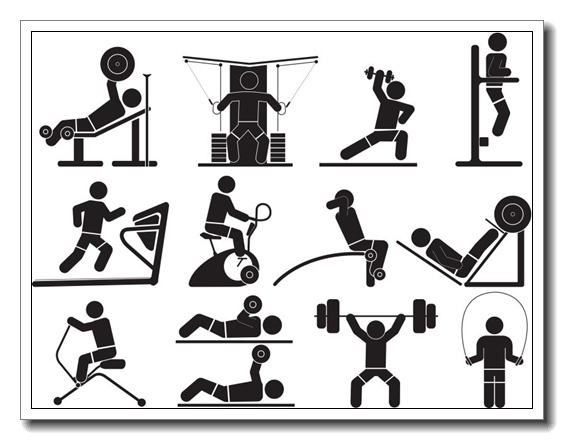
Exercise is widely recognized for its role in improving cardiovascular health, boosting mood, and increasing energy levels. However, emerging scientific research reveals that physical activity also plays a crucial role in supporting sexual health—particularly in relation to erectile function, hormone regulation, and overall sexual performance. Understanding the physiological mechanisms behind these benefits can empower individuals to make informed lifestyle choices that enhance both their physical well-being and intimate relationships.
One of the most significant ways exercise impacts erectile function is through improved blood flow. Erections depend on adequate circulation to the penile tissues, and regular aerobic activities such as running, swimming, or cycling help maintain healthy blood vessels by reducing arterial stiffness and lowering blood pressure. Studies have shown that men who engage in moderate-intensity cardiovascular exercise for at least 30 minutes a day, five times a week, experience noticeable improvements in erectile quality compared to sedentary counterparts. Resistance training also contributes by enhancing endothelial function—the inner lining of blood vessels—which further supports vascular health essential for erections.
In addition to circulatory benefits, exercise profoundly influences hormonal balance, particularly testosterone levels. Testosterone, the primary male sex hormone, affects libido, muscle mass, energy, and sperm production. While acute bouts of intense exercise can temporarily elevate testosterone, long-term resistance training and high-intensity interval training (HIIT) have been linked to sustained increases in baseline hormone levels. Importantly, consistent physical activity helps counteract age-related declines in testosterone, offering a natural strategy for maintaining sexual vitality over time.
Mental and emotional well-being, often overlooked aspects of sexual health, are also positively affected by exercise. Physical activity reduces levels of cortisol, the stress hormone, while stimulating the release of endorphins and other mood-enhancing neurotransmitters. Lower stress and anxiety levels contribute to improved sexual desire and performance, especially in cases where psychological factors contribute to erectile dysfunction. Moreover, increased self-esteem and body image resulting from regular workouts can enhance confidence in intimate situations.
It’s important to note that not all forms of exercise yield equal results. Overtraining or excessive endurance activities may lead to hormonal imbalances, including reduced testosterone and elevated cortisol, which could negatively impact sexual function. Therefore, balance is key. A combination of aerobic exercise, strength training, flexibility work, and adequate rest appears to offer the most comprehensive support for sexual health.
In conclusion, the science clearly demonstrates that exercise is a powerful, non-invasive tool for optimizing erectile function, regulating hormones, and promoting overall sexual wellness. By incorporating regular, balanced physical activity into daily life, individuals can harness these benefits naturally—improving not only their sexual health but also their quality of life as a whole.