

Dance as a Holistic Practice: Elevating Physical Health While Cultivating Creativity and Discipline
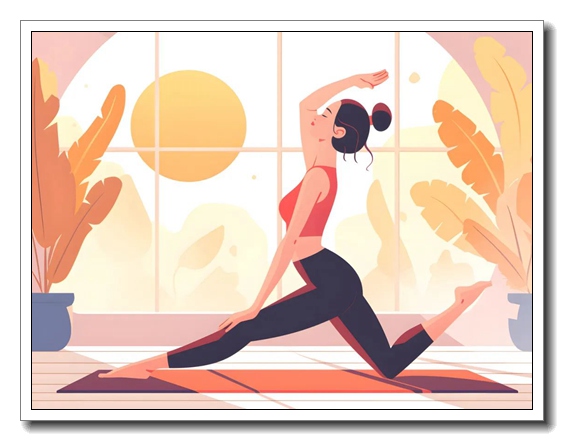
Dance is far more than a performance art or recreational activity—it is a holistic practice that harmonizes the body, mind, and spirit. When approached with intention, dance becomes a powerful vehicle for enhancing physical health while simultaneously nurturing creativity and instilling discipline. From improving cardiovascular endurance to sparking imaginative expression, the benefits of dance extend well beyond the studio floor.
Physically, dance offers a full-body workout that enhances strength, flexibility, balance, and coordination. Unlike repetitive gym routines, dance engages multiple muscle groups through dynamic, fluid movements that challenge both aerobic capacity and muscular endurance. Styles such as ballet build core stability and posture, while hip-hop and contemporary dance promote agility and explosive power. Regular participation in dance has been linked to improved heart health, reduced risk of chronic disease, and better overall motor function, making it an accessible and enjoyable form of exercise for people of all ages.
Beyond its physical advantages, dance serves as a profound outlet for creative expression. It allows individuals to communicate emotions, stories, and cultural narratives without relying on words. Through improvisation and choreography, dancers explore new ways of moving and thinking, fostering innovation and originality. This creative engagement stimulates the brain, encouraging neural connectivity and cognitive flexibility. In educational and therapeutic settings, dance has been used to unlock self-expression in children and adults alike, helping them process experiences and develop confidence in their unique voices.
Equally important is the role of discipline in dance. Mastering complex sequences, maintaining rhythm, and achieving technical precision require consistent practice, focus, and perseverance. Dancers learn the value of patience and resilience, developing time management skills and a strong work ethic. This cultivated discipline often transcends the dance realm, positively influencing academic performance, professional habits, and personal goal-setting.
Ultimately, dance functions as a holistic practice by uniting physical vitality with mental and emotional growth. It challenges the body, inspires the imagination, and demands dedication—forming a balanced trifecta of health, creativity, and discipline. Whether pursued professionally or as a joyful hobby, dance empowers individuals to move not only with grace but with purpose, awareness, and artistic integrity.