

Understanding the Difference Between Exercise and Fitness
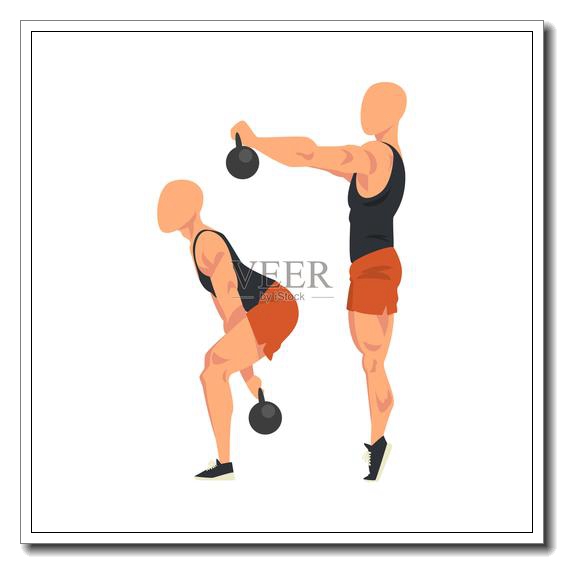
While often used interchangeably, “exercise” and “fitness” have distinct meanings. Understanding this difference is key to creating a sustainable and effective health and wellness plan. This article will explore the nuances between the two terms.
What is Exercise?
Exercise is any physical activity that is planned, structured, repetitive, and performed to improve or maintain one or more components of physical fitness. It’s the
action
itself. Examples include:
- Running on a treadmill
- Lifting weights
- Cycling
- Swimming laps
- Yoga classes
What is Fitness?
Fitness, on the other hand, is the
result
of consistent exercise. It’s a state of being—a combination of physical attributes that enable you to perform daily activities with vigor and without undue fatigue. Fitness encompasses several components, including:
- Cardiorespiratory endurance: The ability of the heart and lungs to deliver oxygen efficiently
- Muscular strength: The ability of muscles to exert force
- Muscular endurance: The ability of muscles to sustain effortover extended periods
- Flexibility: The range of motion in the joints
- Body composition: The proportion of fat, muscle, and bone in the body
Crucially, exercise is the
means
to achieve fitness. Engaging in regular exercise improves your physical fitness, but fitness itself is the positive outcome.
The Connection:
Regular exercise is essential for improving and maintaining fitness. The more you exercise, the moreyou improve your fitness level. However, simply engaging in exercise once or twice does not automatically mean you are fit. Consistency is key.
Conclusion:
Understanding the difference between exercise and fitness is important for setting realistic goals and tracking progress. Focusing on regular exercisewith a commitment to improvement will lead to enhanced fitness and overall well-being.