

Keeping Active & Healthy in Later Life:Exercises
Maintaining an active lifestyle is crucial for overall well-being as weage. Staying active helps preserve muscle strength, improve balance, and reduce the risk of falls, chronic diseases, and mental health issues. This article focuses on exercises suitable for later life, emphasizing safety and gradual progression.
Importance of Regular Exercise
Regular physicalactivity is essential for maintaining independence and quality of life as we age. It helps manage conditions like arthritis, osteoporosis, and type 2 diabetes. Exercise also boosts mood, improves sleep, and enhances cognitive function.
Types of Exercises
A balanced exercise program for seniors should include:
- Cardiovascular exercises: These improve heart health and lung function. Examples include brisk walking, swimming, cycling, or water aerobics. Start slowly and gradually increase the intensity and duration.
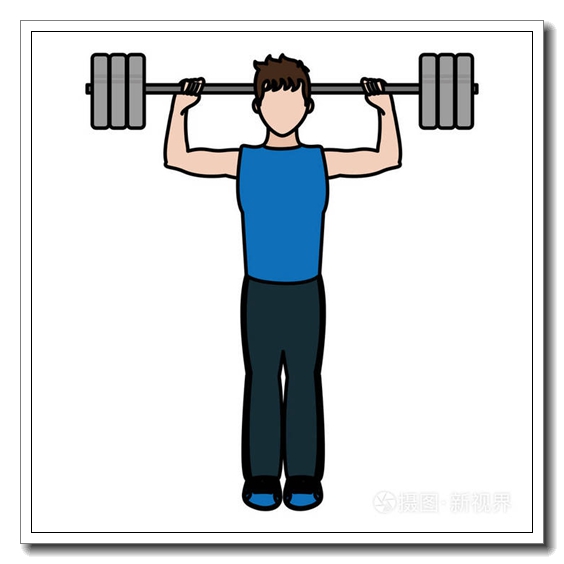
- Strength training: Essential for maintaining muscle mass and bone density. Use resistance bands, light weights, or bodyweight exercises to build strength. Focus on exercises for major muscle groups.
- Balance exercises: Crucial for preventing falls. Examples include standing on oneleg, heel-to-toe walking, and tai chi. These exercises can be performed in a safe environment such as a living room or a gym.
- Flexibility exercises: Improve range of motion and reduce stiffness. Stretching exercises, yoga, or Pilates can behighly beneficial.
Safety Considerations
Always consult with your doctor before starting any new exercise program. Listen to your body and avoid pushing yourself too hard, especially in the beginning. Choose activities that you enjoy and can safely perform. Wear comfortableclothing and supportive shoes. Perform exercises on a stable surface and have someone nearby if needed. Gradually increase the intensity and duration of your workouts as your fitness improves.
Finding Motivation and Support
Staying motivated is key to maintaining an active lifestyle. Consider joining alocal exercise group or using online resources to stay engaged. Enlisting a friend or family member to exercise with you can be a huge motivator. Remember to celebrate your progress and focus on the positive impacts of exercise on your health and well-being.
Conclusion
By incorporating a variety of safe and appropriate exercises into your daily routine, you can maintain your physical and mental well-being throughout later life. Start slowly, listen to your body, and celebrate every step of the way.