

Understanding 锻炼 in Pinyin
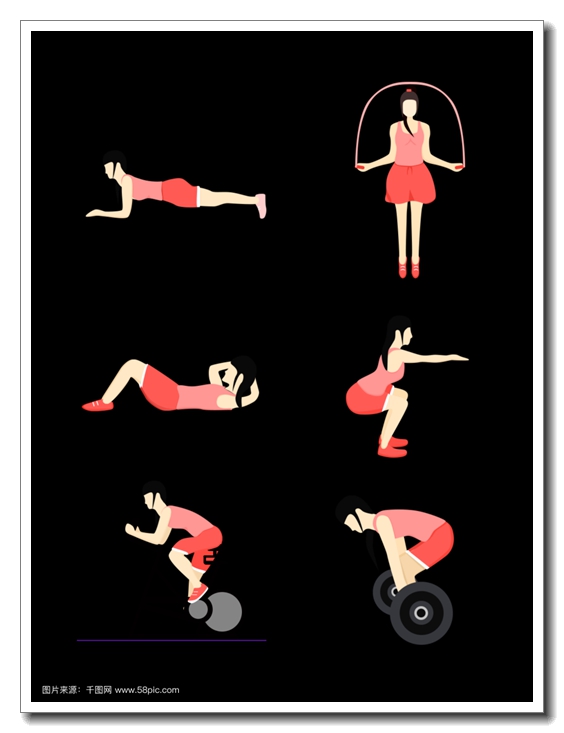
The Chinese word 锻炼 (duànliàn) is a crucial term for understanding physical and mental development. While often translatedas “exercise” or “training,” its meaning is richer and more nuanced. Understanding its underlying connotations is key to using it effectively.
Literal Meaning and Pronunciation
The Pinyin pronunciation of 锻炼 is duànliàn. Decomposingthe word, we see:
- 锻 (duàn): This component often refers to forging, refining, or tempering something. Think of it as strengthening or improving through hardship.
- 炼 (liàn): This part implies refinement, training, or polishing. It suggests a process of making something better or stronger through practice and repetition.
Together, 锻炼 suggests a process of strengthening and refining something, whether a physical skill or a mental quality.
Common Usage and Nuances
Unlike the simple English word “exercise,” 锻炼 can encompass a wider range of activities:
- Physical Exercise: This is a common meaning, encompassing activities like running, weightlifting, yoga, etc. The crucial point is the emphasis on growth and improvement caused by the activity.
- Mental Training: 锻炼 can be used to describe training in skills like concentration, discipline, and resilience. This often takes place in a more focused, directed manner,such as meditation or mindfulness practices.
- Character Development: In a broader sense, 锻炼 can describe the development of character, often through overcoming challenges and adversity. Experiences that shape and strengthen one’s resolve fall under this umbrella.
Example Sentences
Here are some example sentences to illustrate the varied applications of 锻炼:
- 我每天都锻炼身体。(Wǒ měi tiān dōu duànliàn shēntǐ.) – I exercise mybody every day.
- 他通过艰苦的训练锻炼了他的意志力。(Tā tōngguò jiānkǔ de xiàoliàn duànliàn le tā de yìzhìlì.) – He strengthened his will through strenuous training.
- 这段经历锻炼了我。(Zhèduàn jīnglì duànliàn le wǒ.) – This experience has strengthened me.
Understanding the nuances of 锻炼 (duànliàn) enables a more complete and accurate understandingof its usage in the Chinese language.