

Chinese Characters for Physical Wellness: Pronunciation Guide
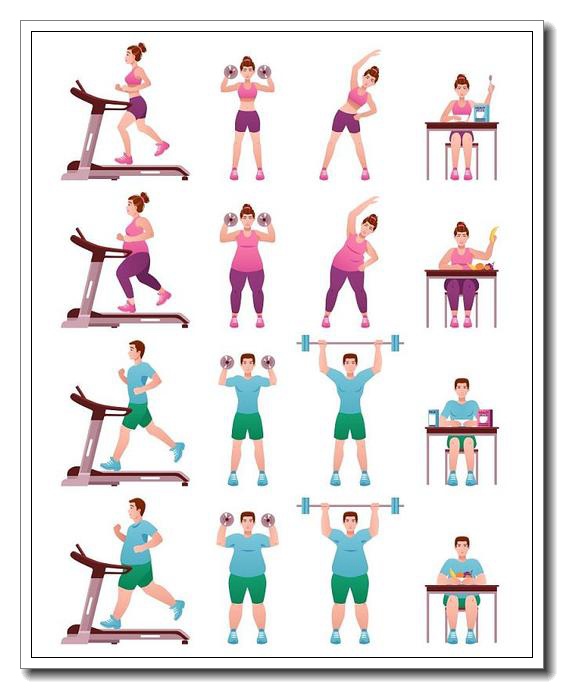
This guide provides pronunciation for common Chinese characters related to physical wellness. Proper pronunciation is crucial for understanding and using these terms in context.
| Character | Pinyin | Pronunciation (approximation) | Meaning |
|---|---|---|---|
| 健康 (jiànkāng) | jiànkāng | jyen-kahnng | Health, wellness |
| 身体 (shēntǐ) | shēntǐ | shen-tee | Body |
| 运动 (yùndòng) | yùndòng | yun-dong | Exercise, movement |
| 饮食 (yǐnshí) | yǐnshí | yin-shee | Diet, food |
| 睡眠 (shuìmián) | shuìmián | shway-myen | Sleep |
| 休息 (xiūxi) | xiūxi | shoo-shee | Rest, relaxation |
| 锻炼 (duànliàn) | duànliàn | duan-lyan | Exercise, training |
| 疲劳 (píláo) | píláo | pee-lah-oh | Fatigue, tiredness |
| 压力 (yālì) | yālì | yah-lee | Stress |
| 呼吸 (hūxī) | hūxī | hoo-see | Breathing |
Note:
The pronunciation approximations are provided for learners. For accurate pronunciation, it is recommended to listen to audio recordings or consult a native speaker. PinYin is a phonetic representation of the Mandarin pronunciation, but some sounds don’thave direct English equivalents.
This is a starting point. There are many more characters and terms related to physical wellness in Chinese. Further study is encouraged.